2,600+
Participants
6 formats
Draw/Paint/Collage/Sculpt/
Sew/Meditate
6 campuses
Melbourne - Berkeley
Since 2020, Art Class with Nila has engaged more than 2,600 students from across disciplines and brought people together to make, experiment and experience art in welcoming, collaborative spaces.
Across drawing, painting, collage, textiles, sculpture, I explore how learning and knowledge take shape through materials, images, embodied experience and relationships.
Collaborative Artmaking
Selected Projects
The projects below show how Art Class with Nila moves across different communities, disciplines and university settings. Together, they document the artistic processes, participant encounters and questions that inform my inquiry into making as knowing.
Making, learning and knowing
University of Melbourne | Graduate students
Art Class with Nila is an ongoing participatory art and interdisciplinary practice bringing students, teachers, artists, researchers, educators into shared experiences of artmaking. Some participants arrive with established creative practices. Others are returning to art after many years or encountering a material for the first time.
The practice began in 2020, when the COVID-19 pandemic interrupted access to my studio and creative community. That absence made something visible: artistic practice is sustained not only by a physical studio, but by proximity, exchange and the presence of others making alongside one another.
I developed Art Class with Nila as an act of advocacy for visual arts education and as a way of rebuilding creative community through making. Each workshop is structured but open. I introduce materials, techniques and creative provocations, but there is no prescribed artwork and no assessment of what is made. Participants can experiment, follow unexpected directions and develop their own relationships with materials.
The practice has shifted my inquiry from what I know through my own artmaking to what may become knowable when people make in relation to materials, places and one another.
What interests me is not only what people make, but what becomes possible through making together.
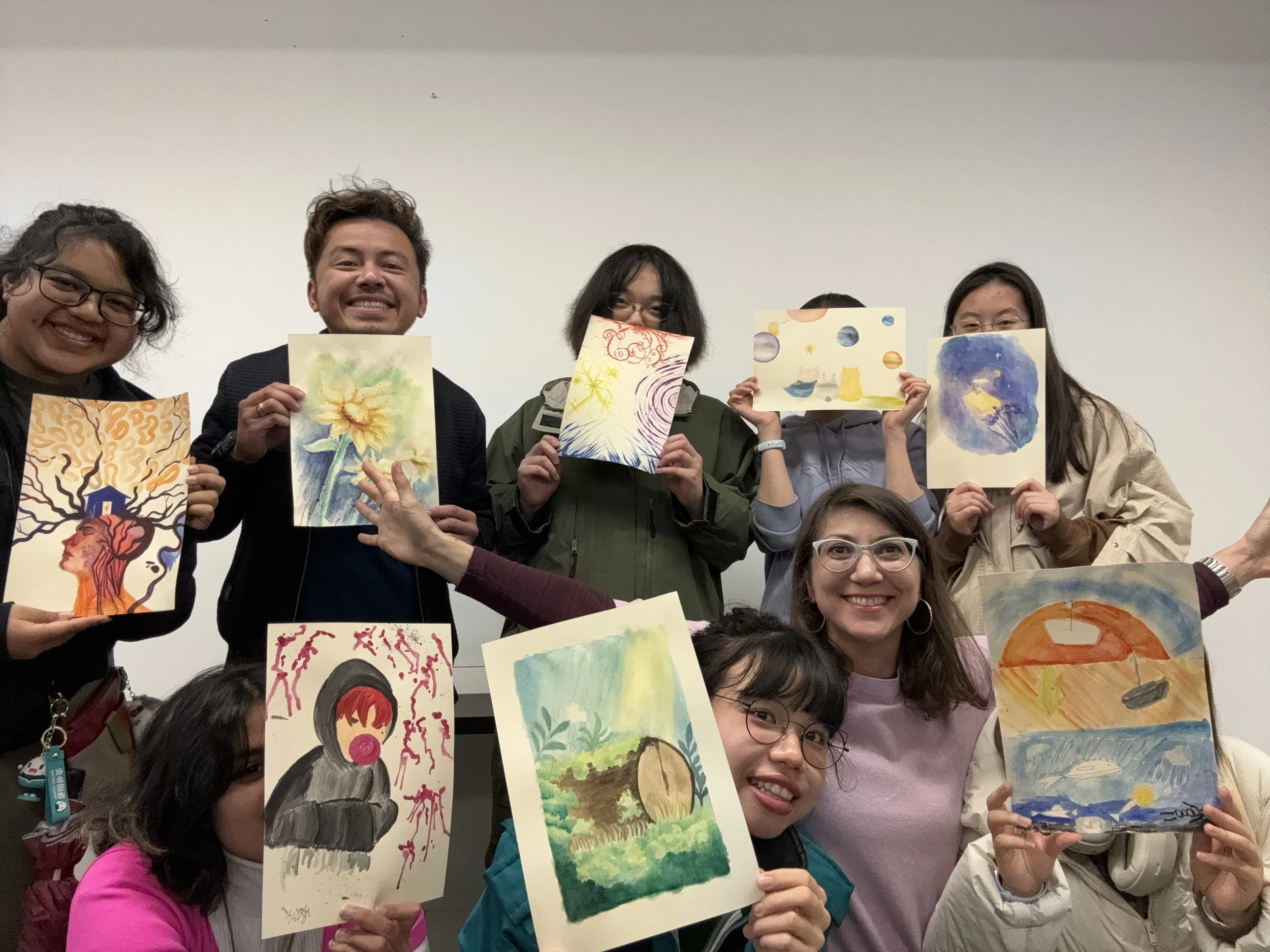
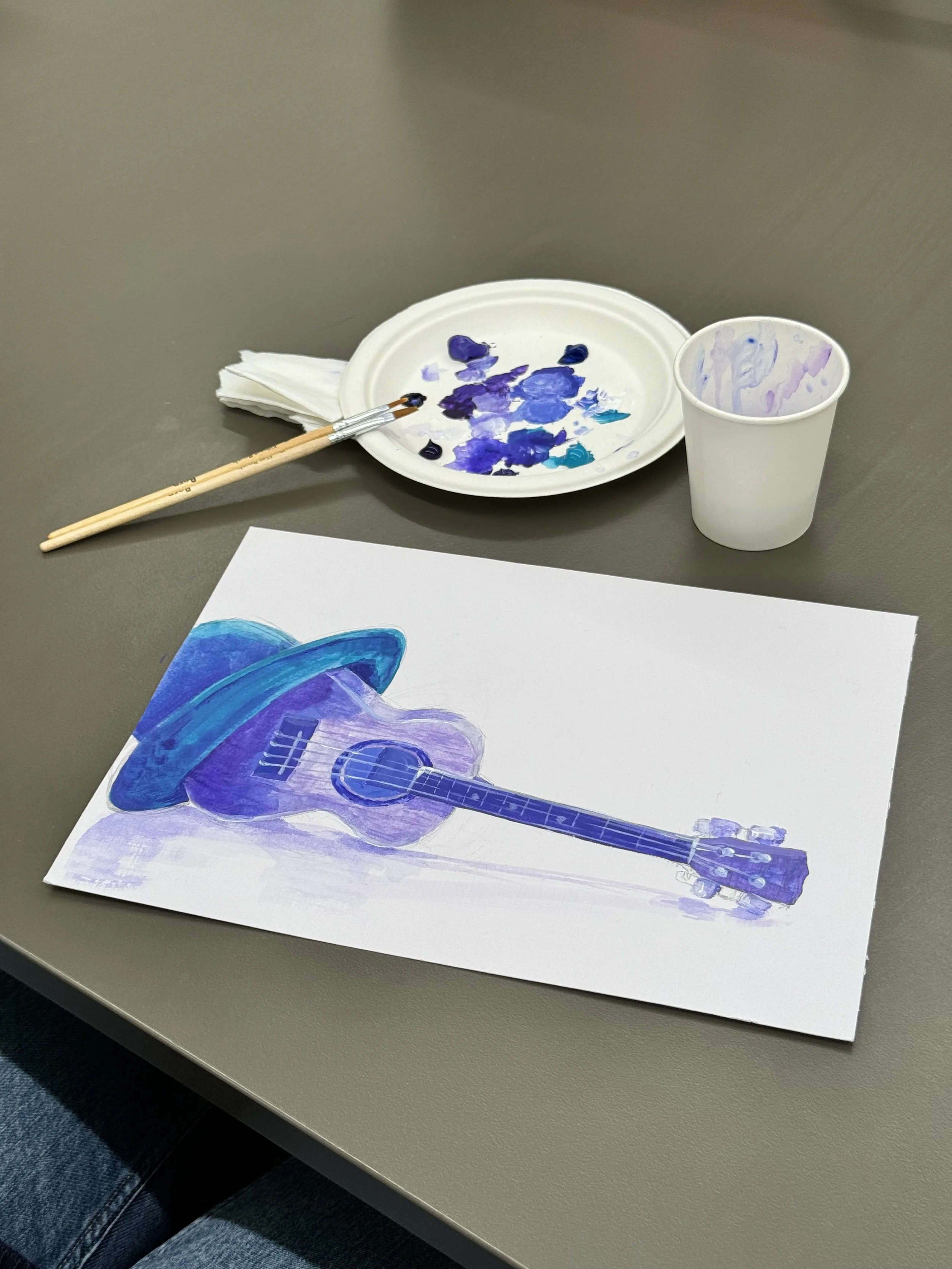
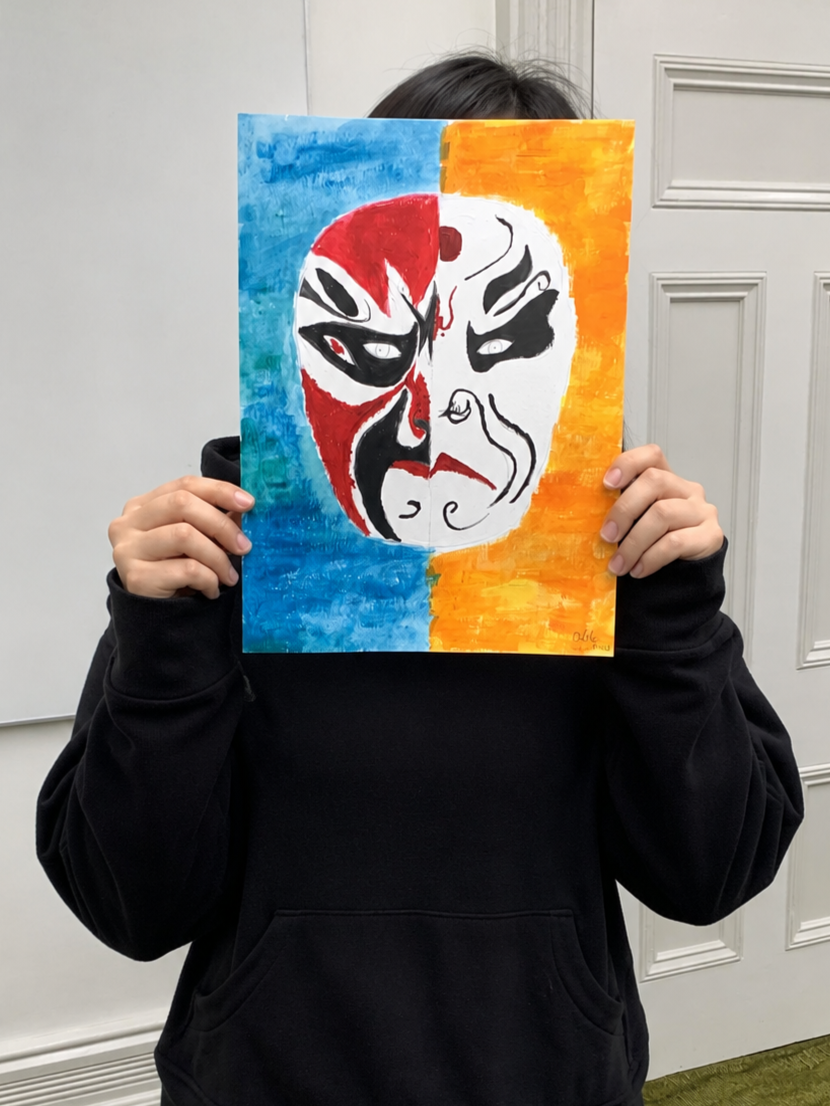
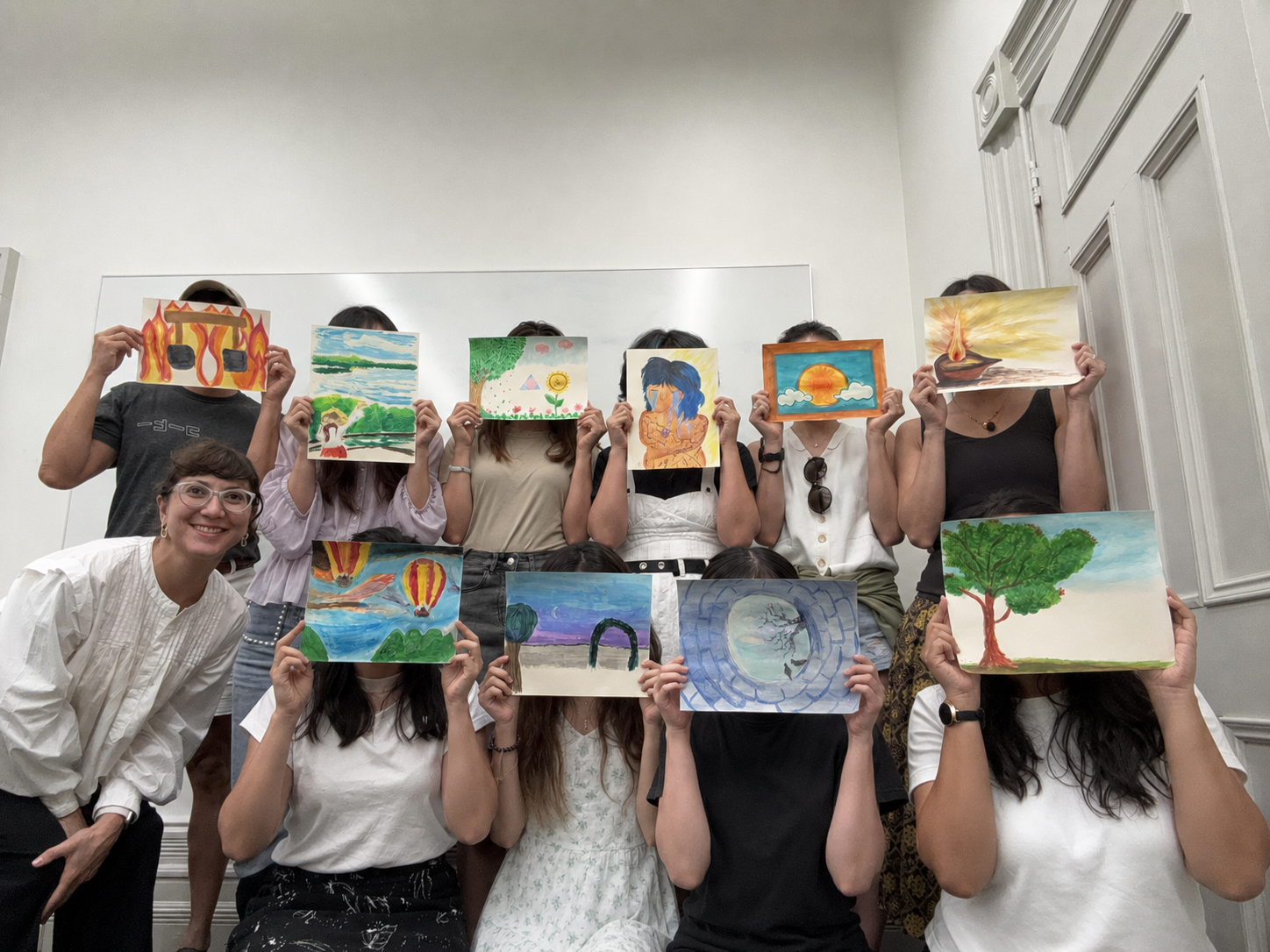
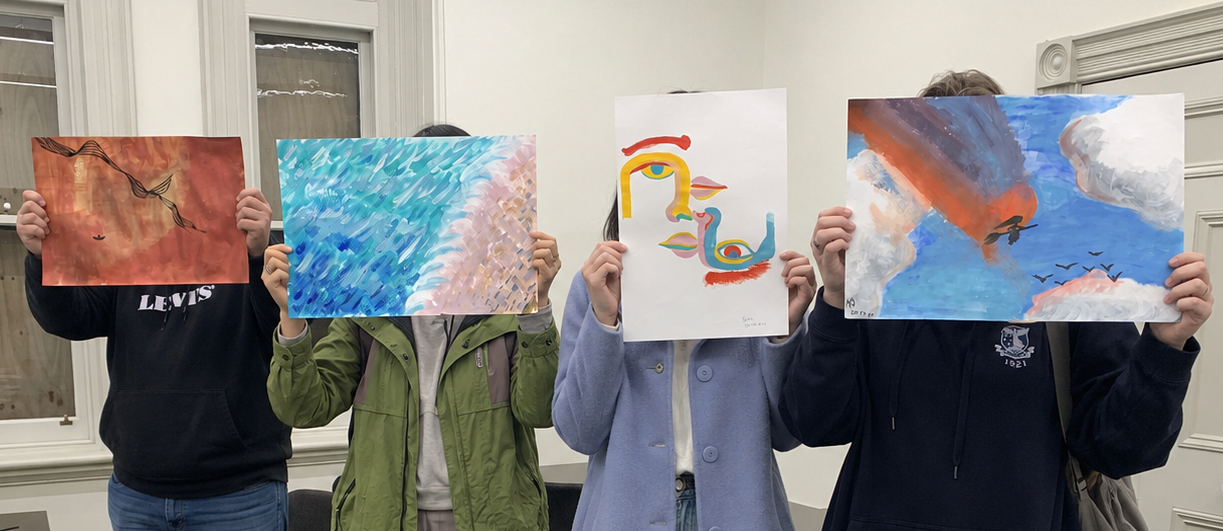
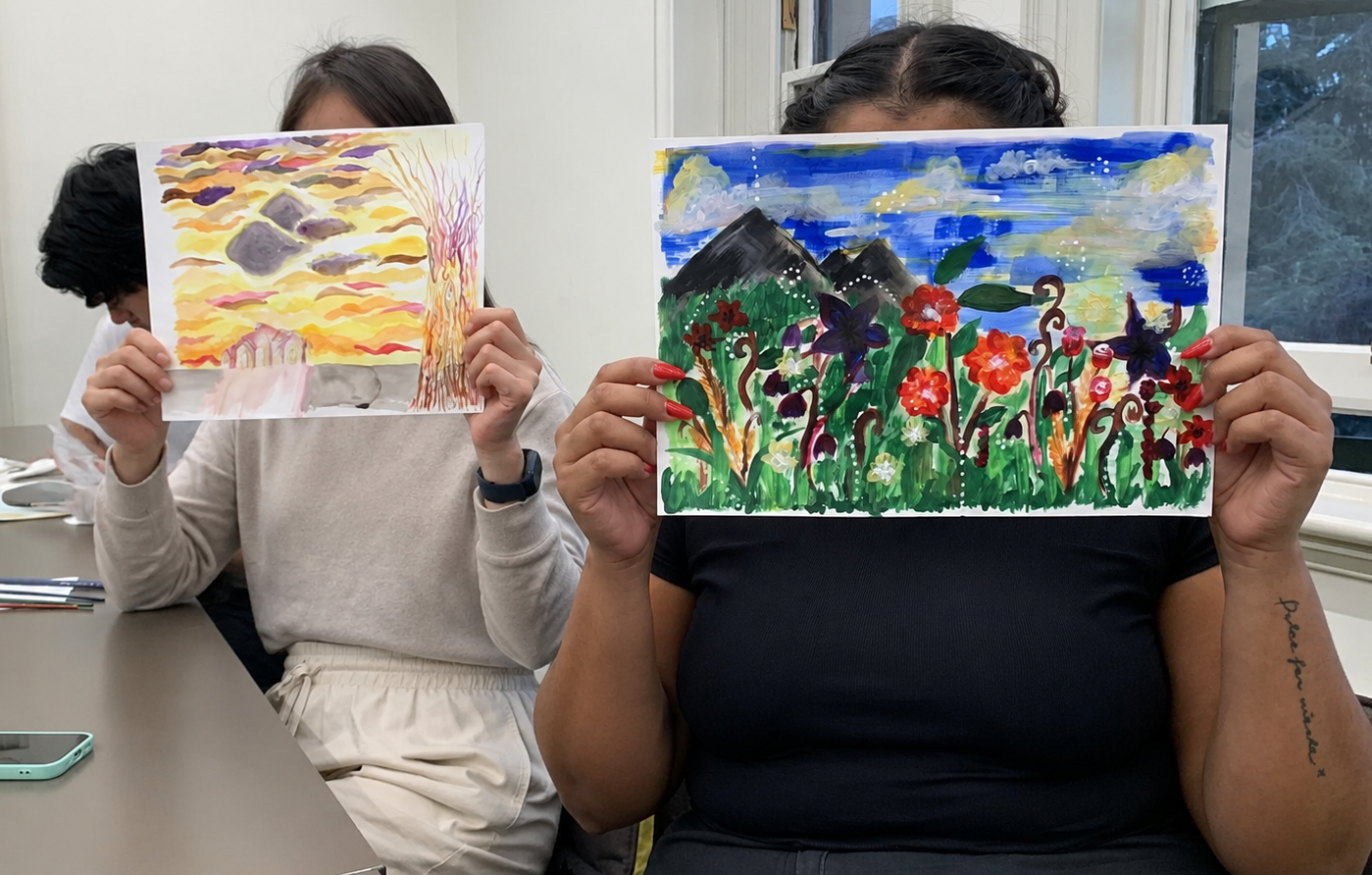
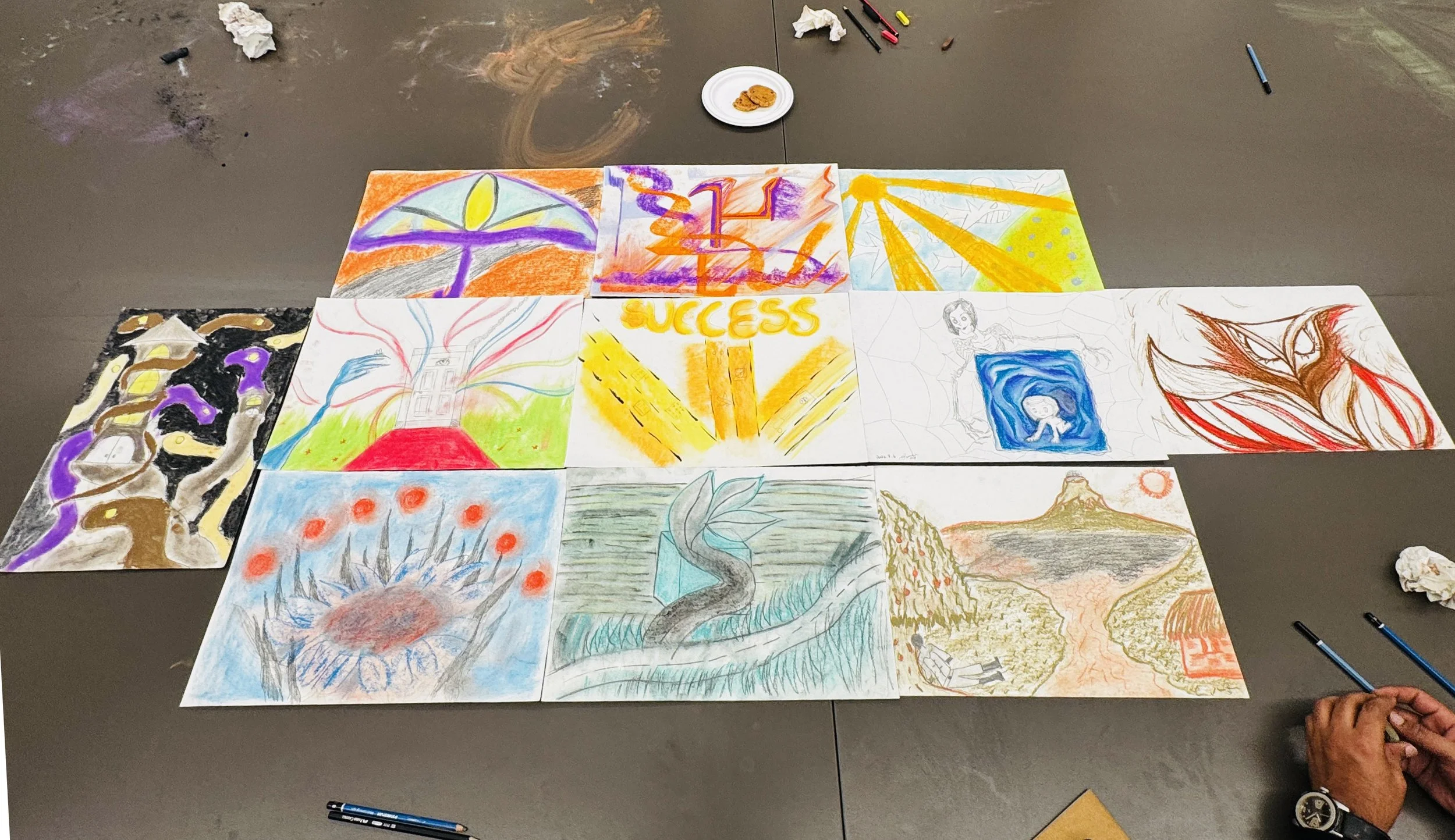
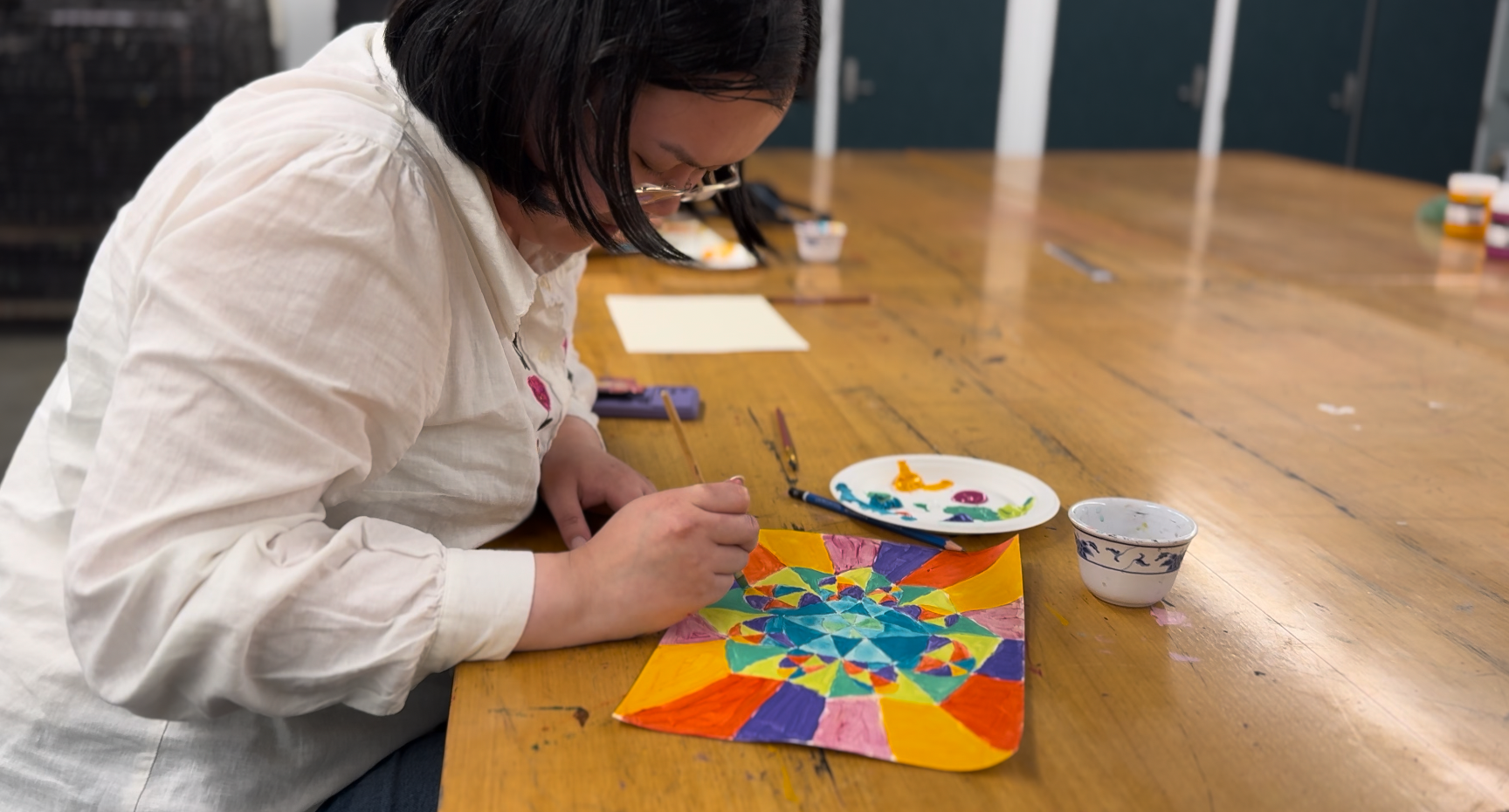
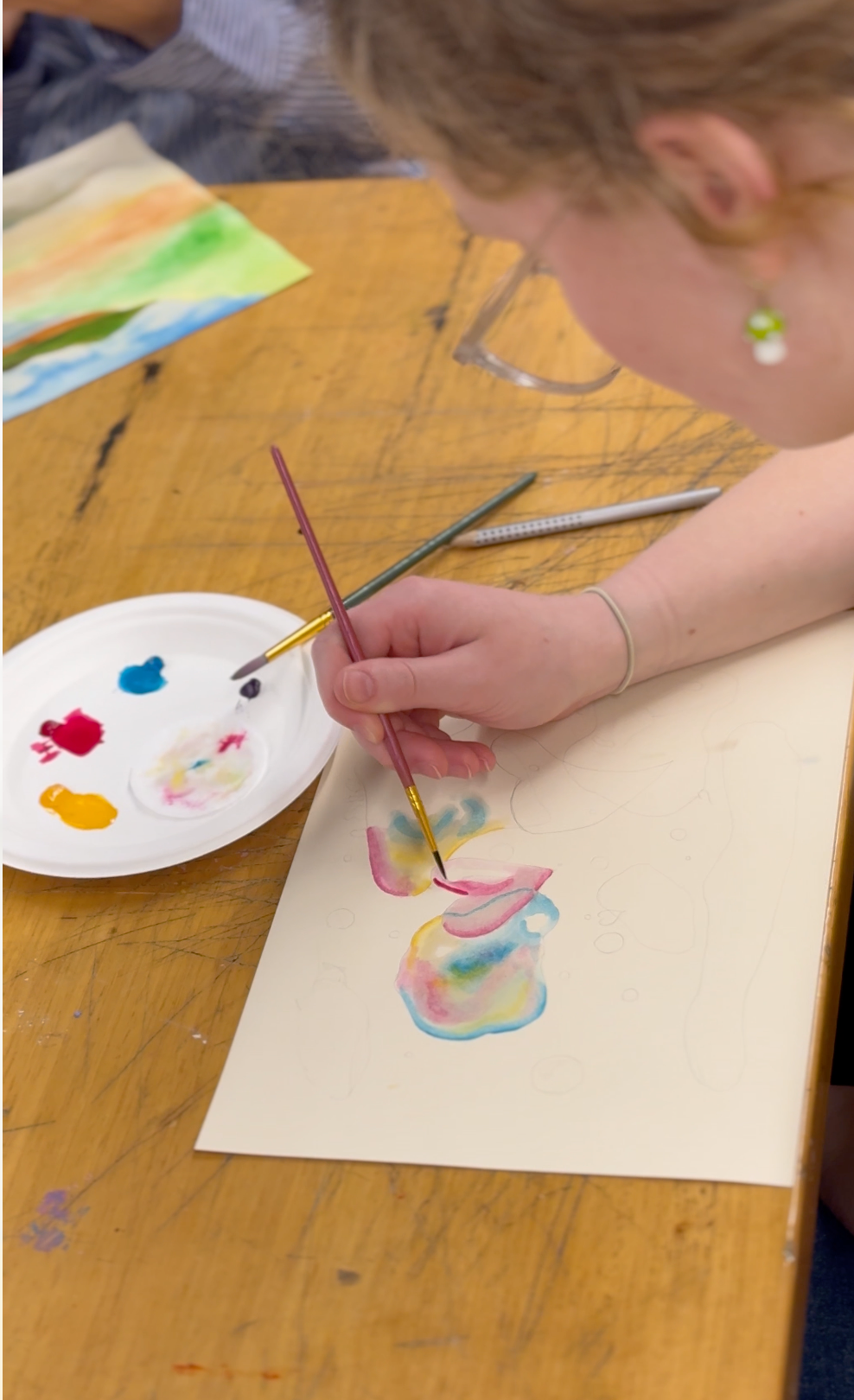
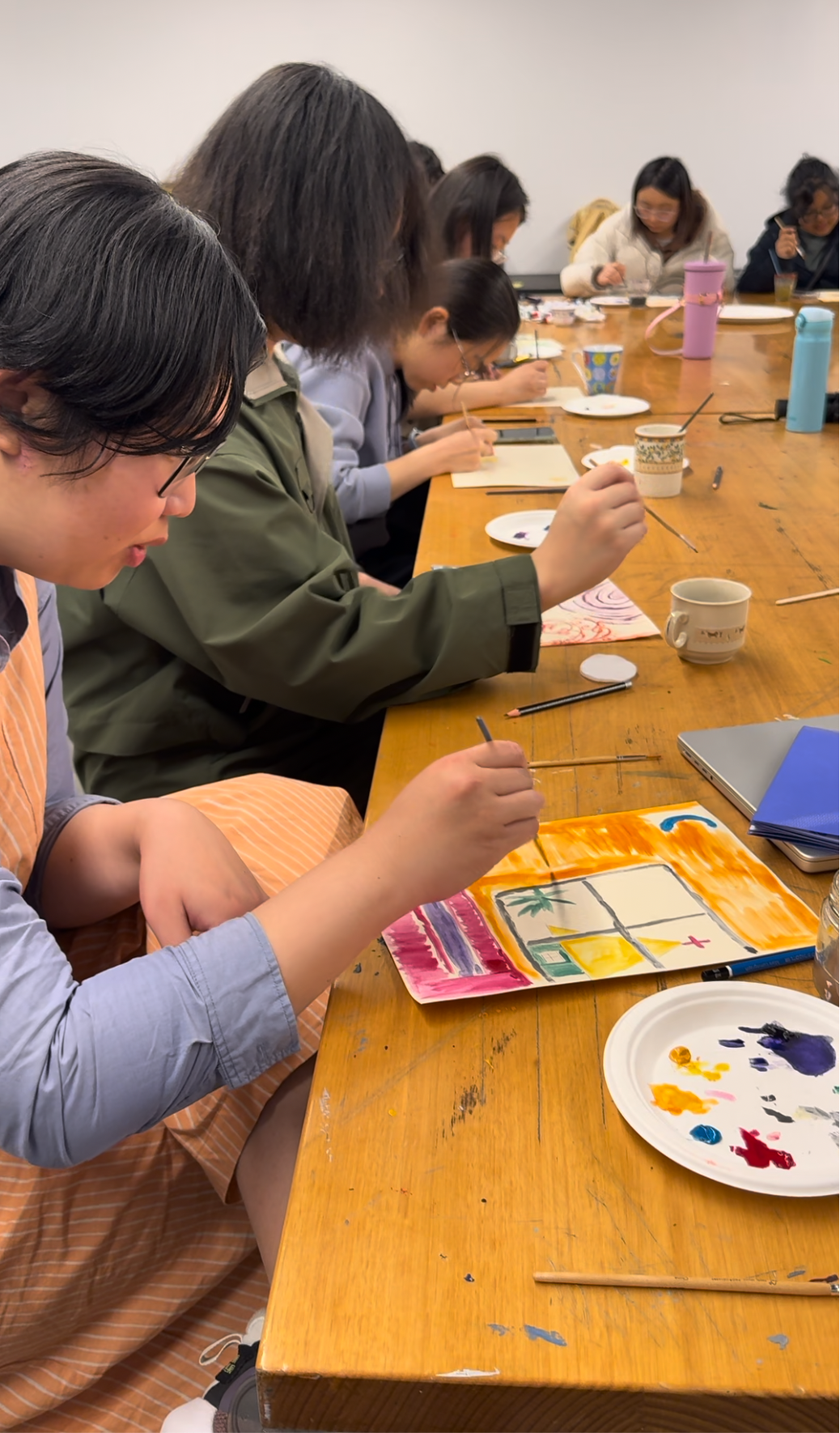
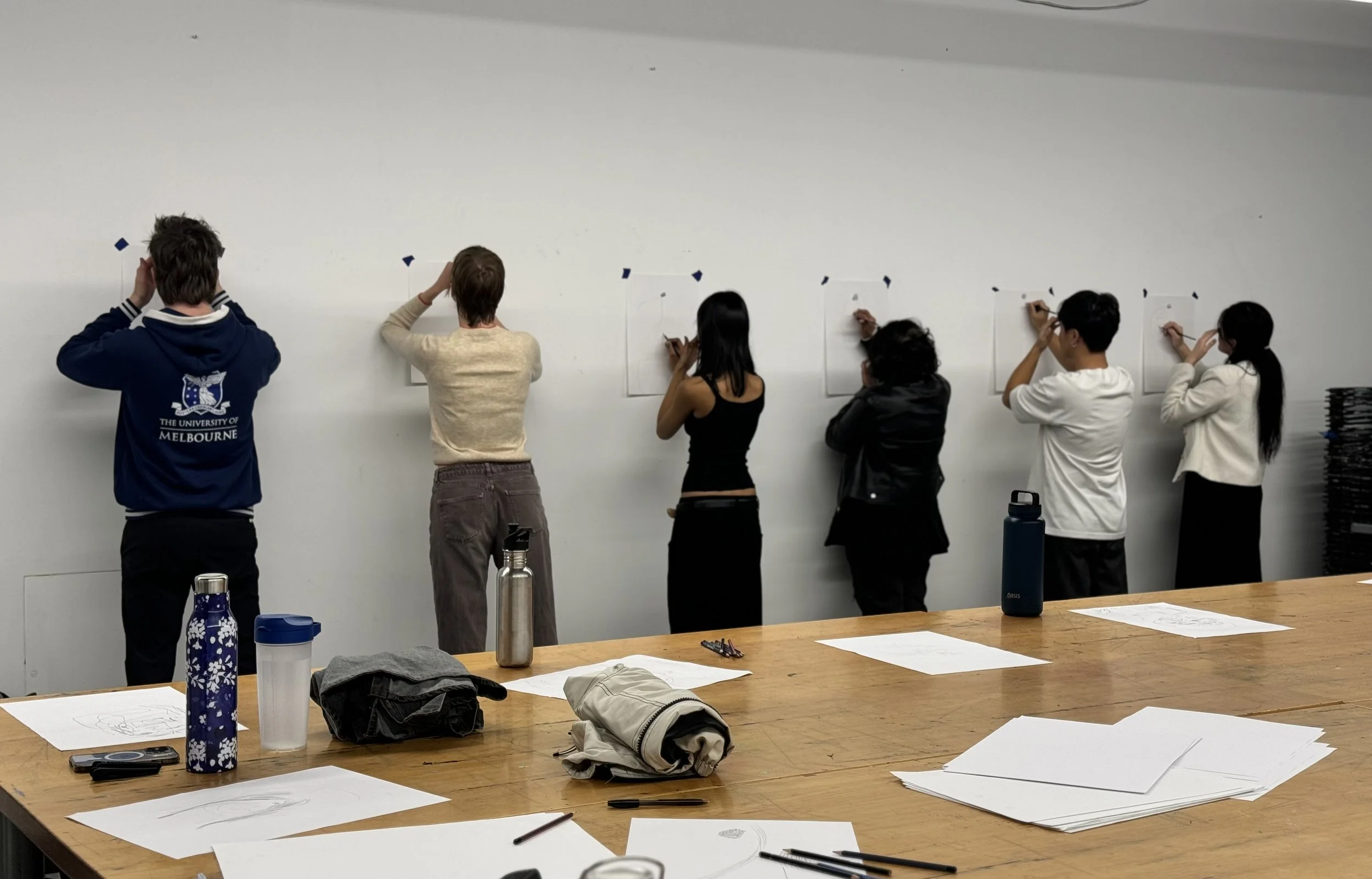
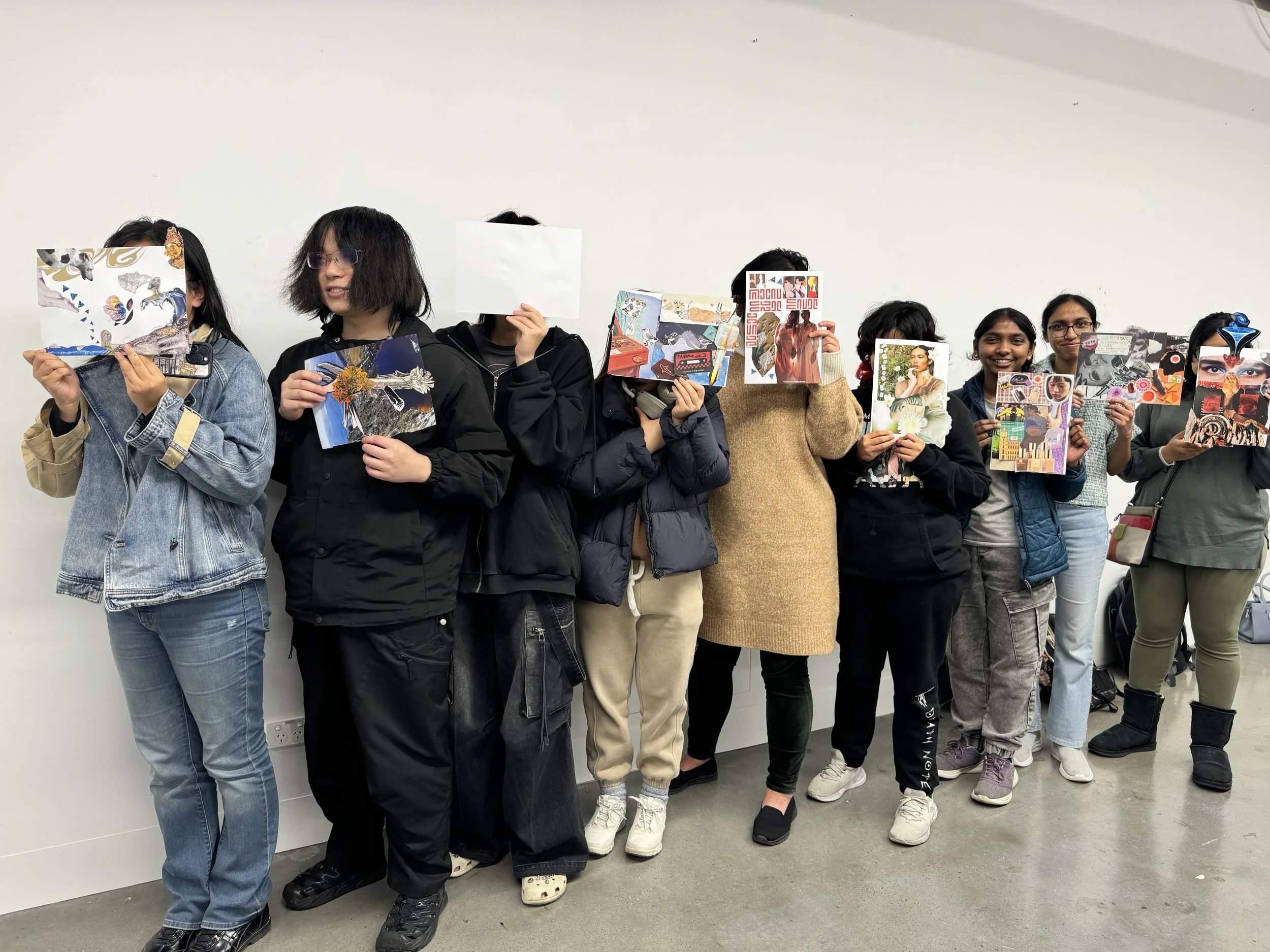
Participants working through drawing, painting and material experimentation during Art Class with Nila
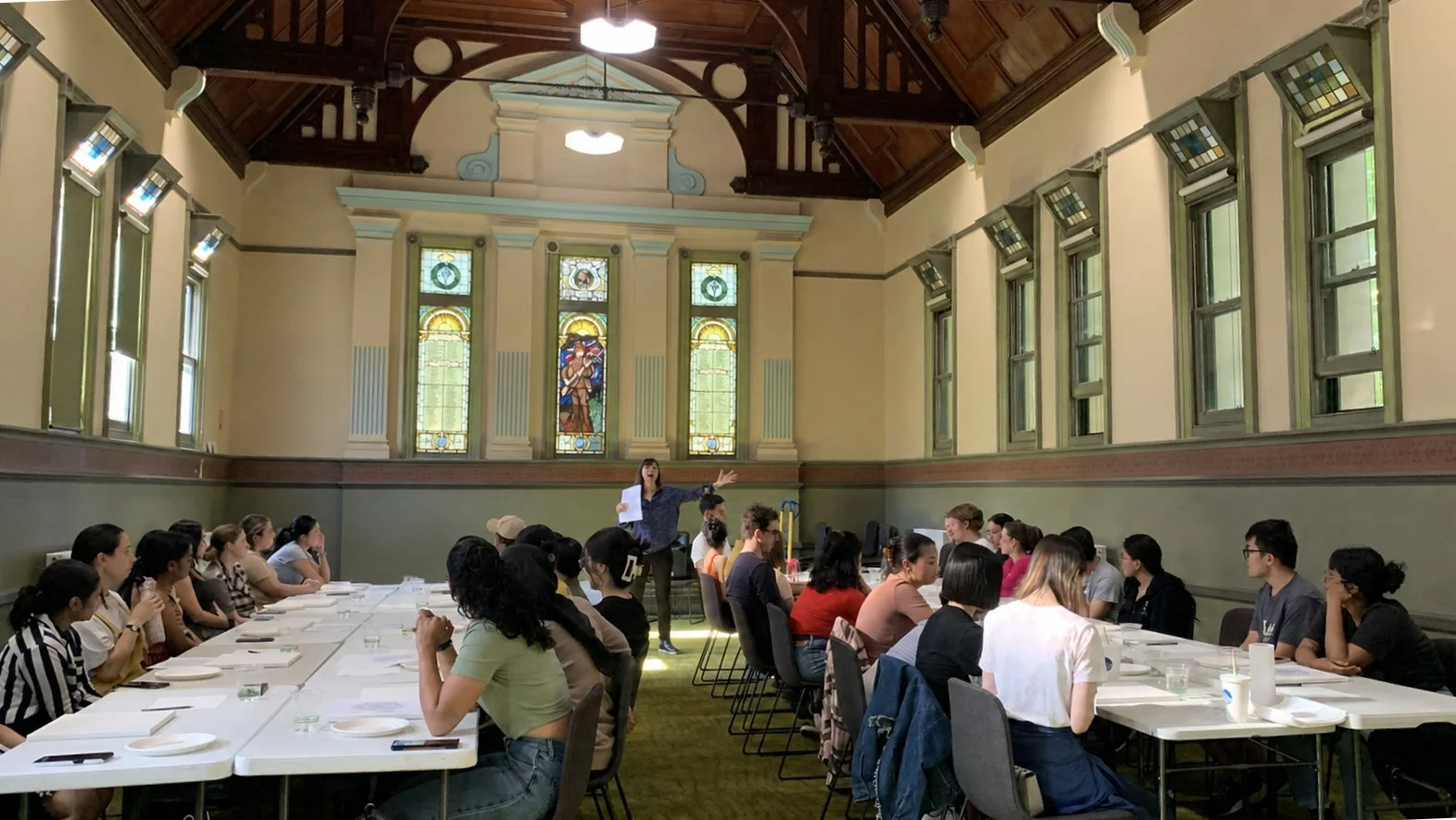

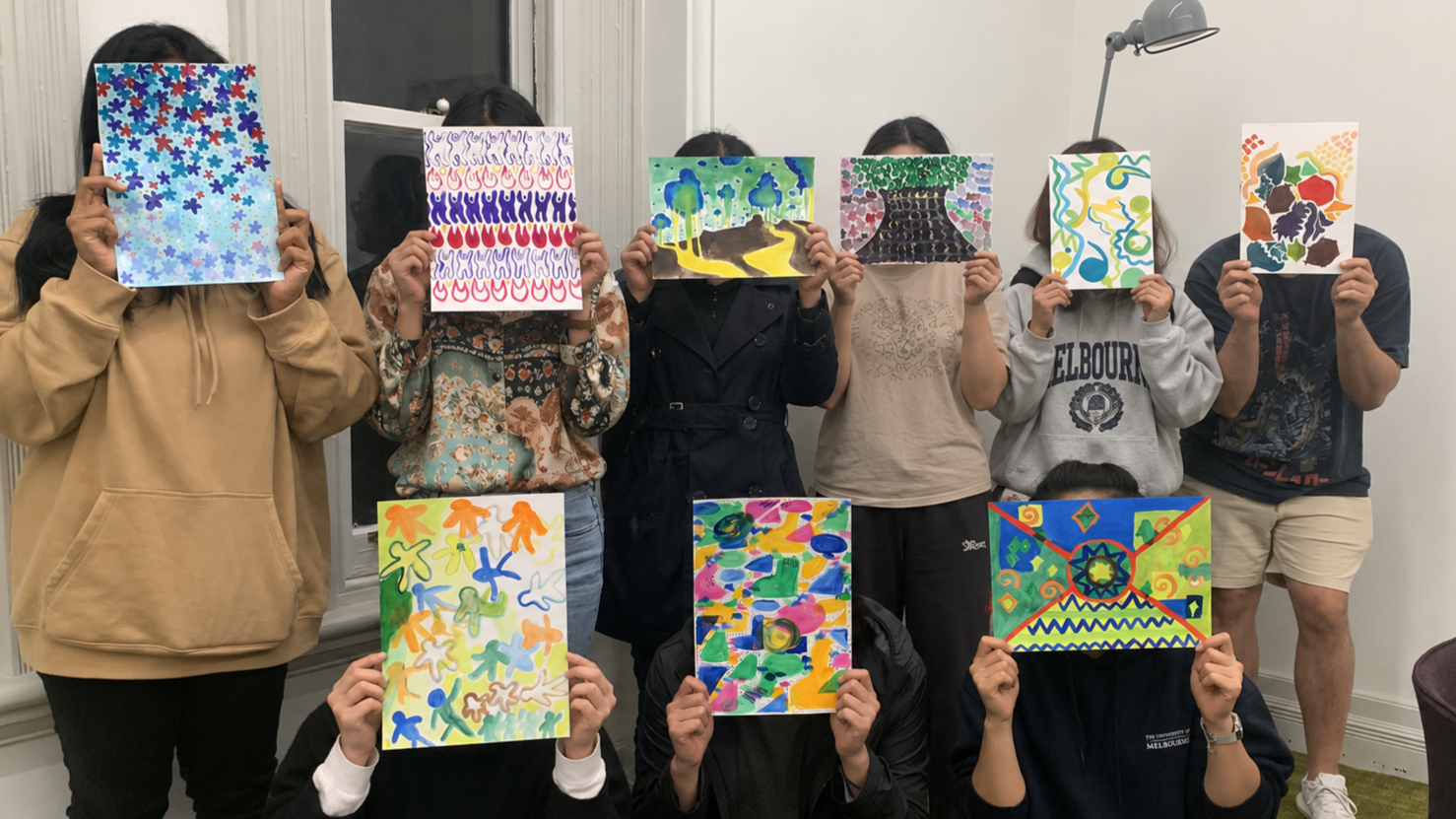
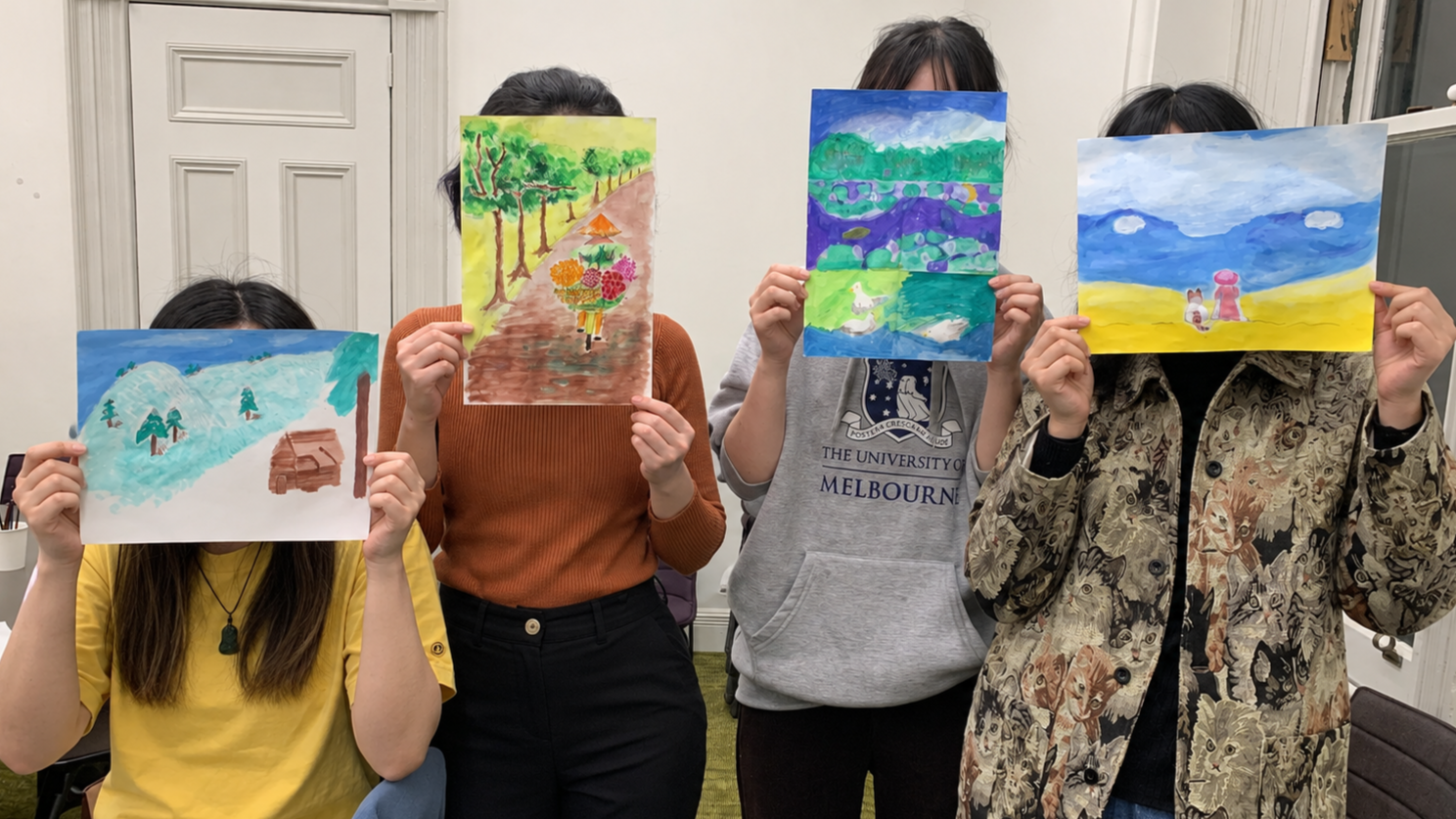
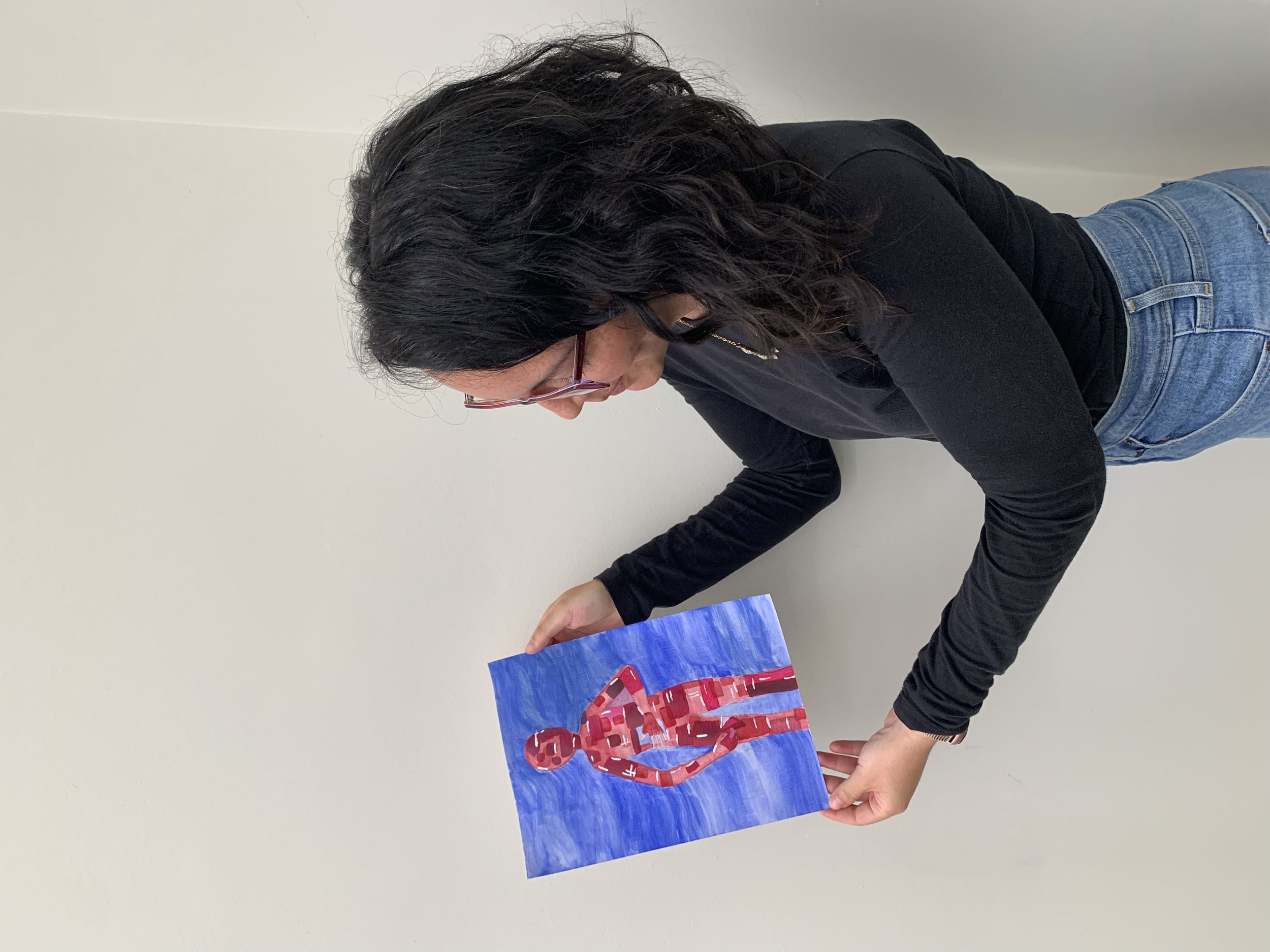
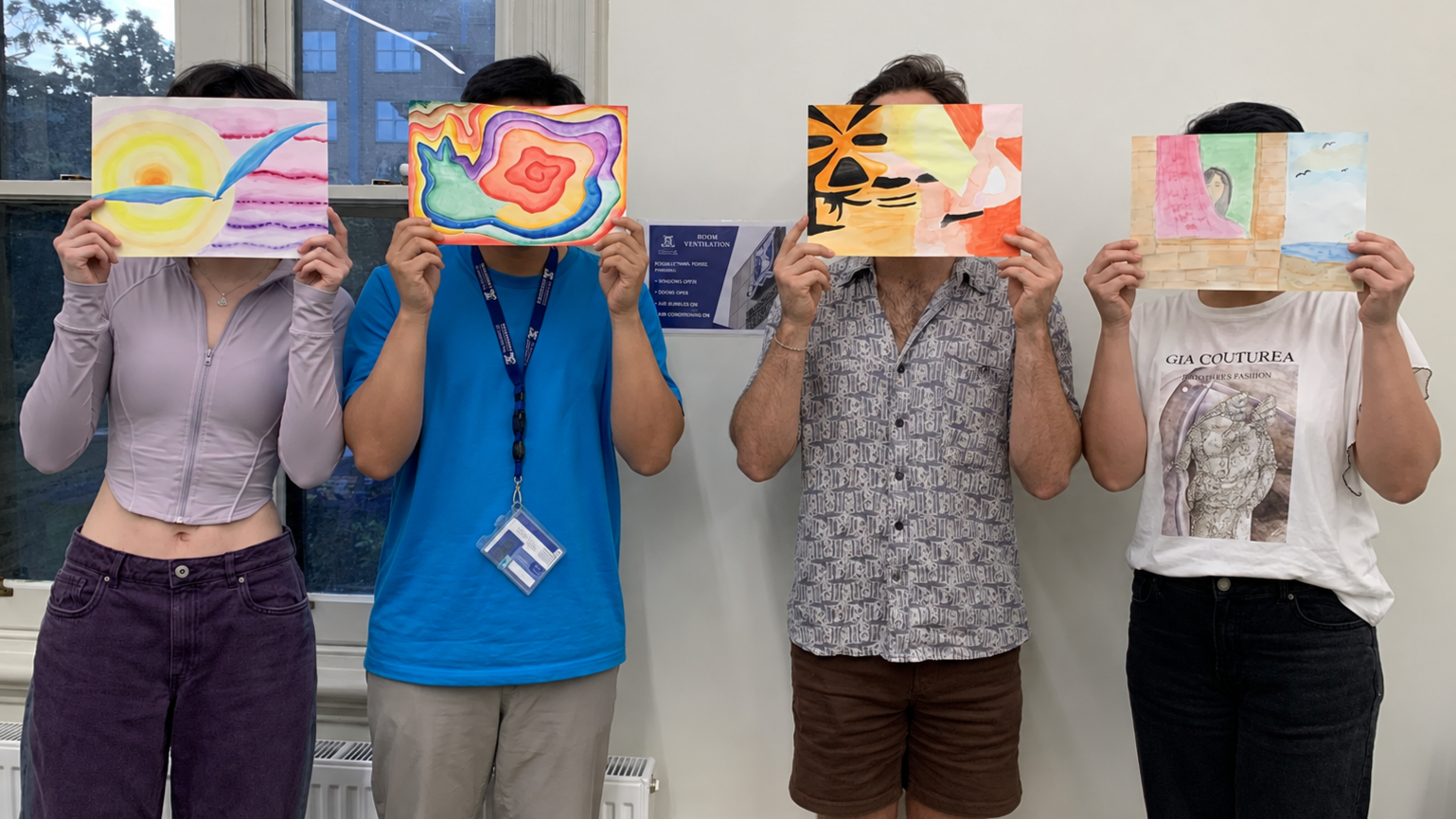
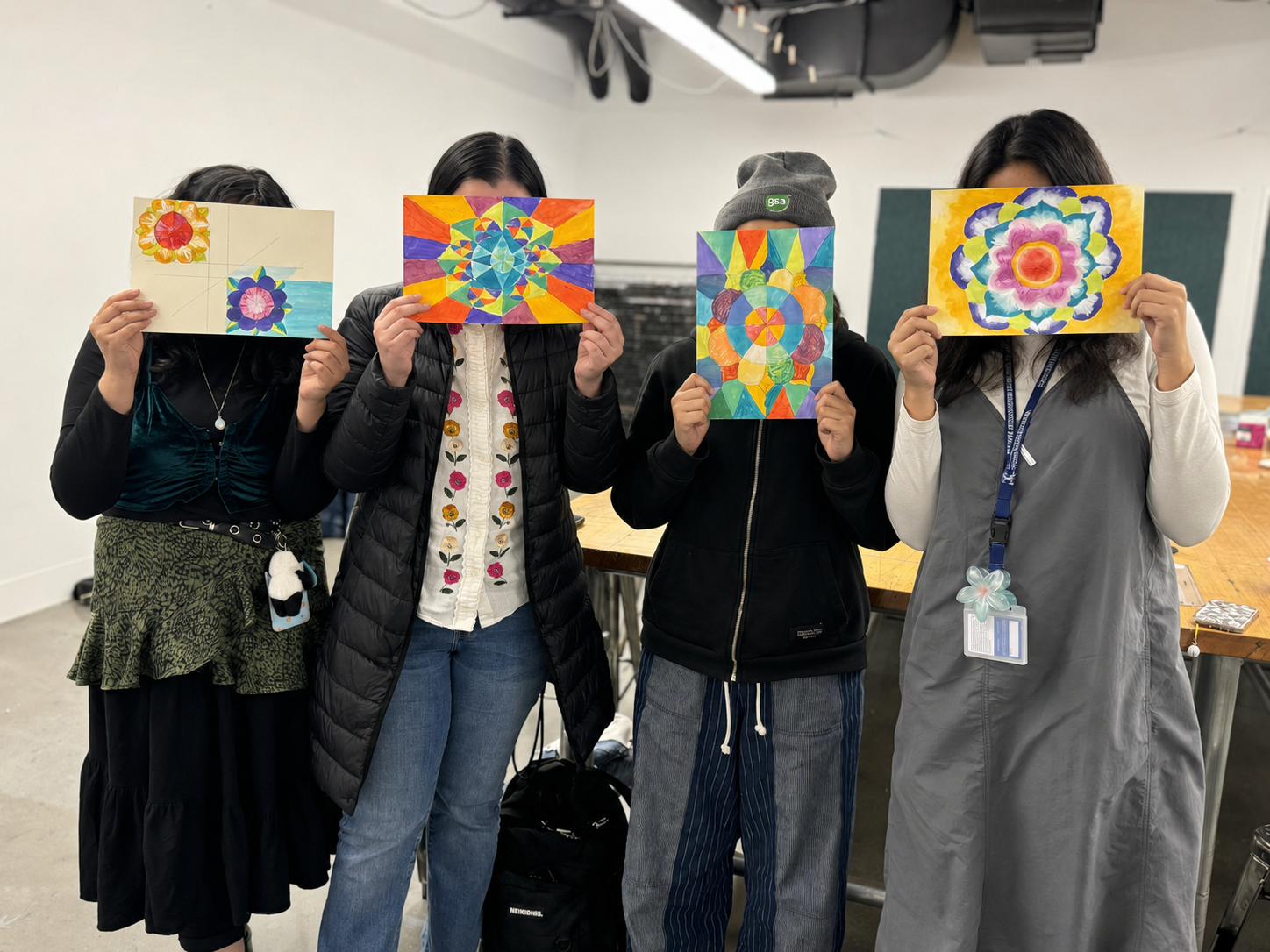
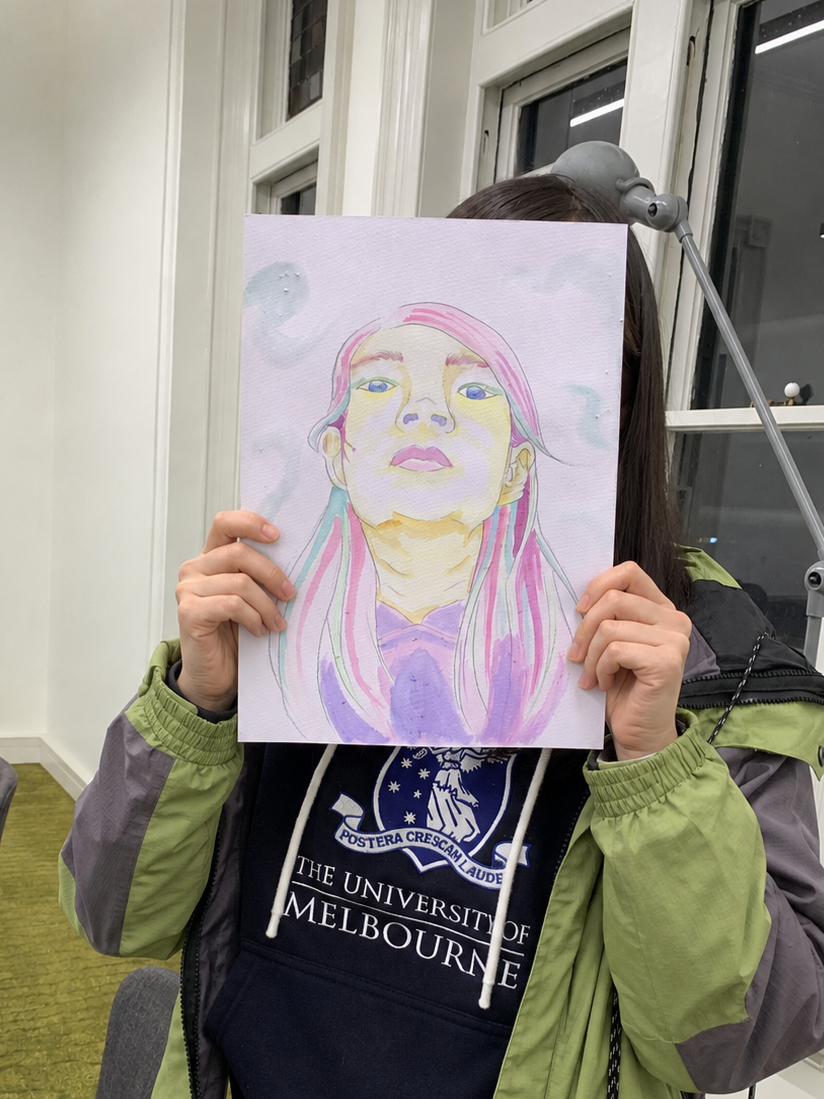
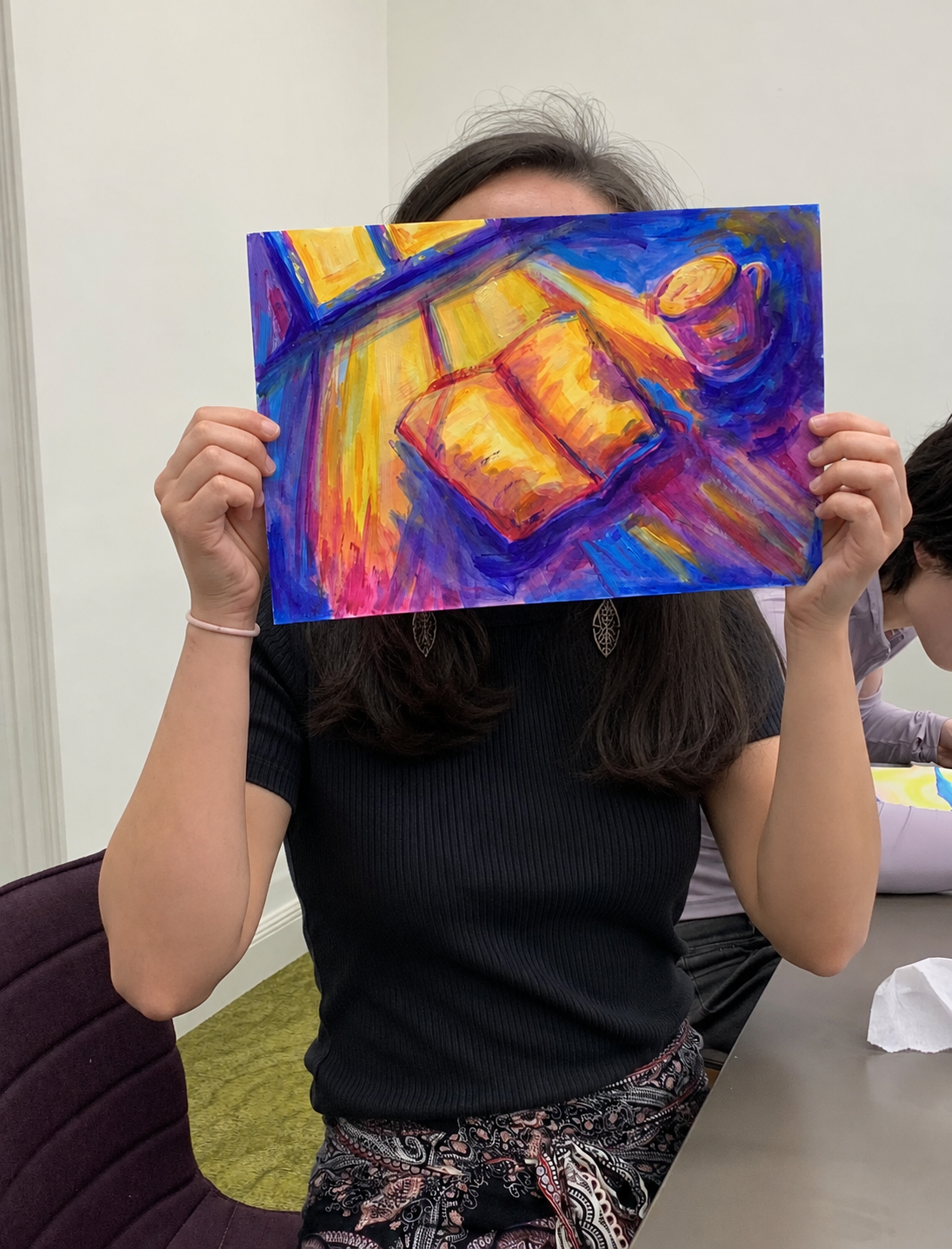
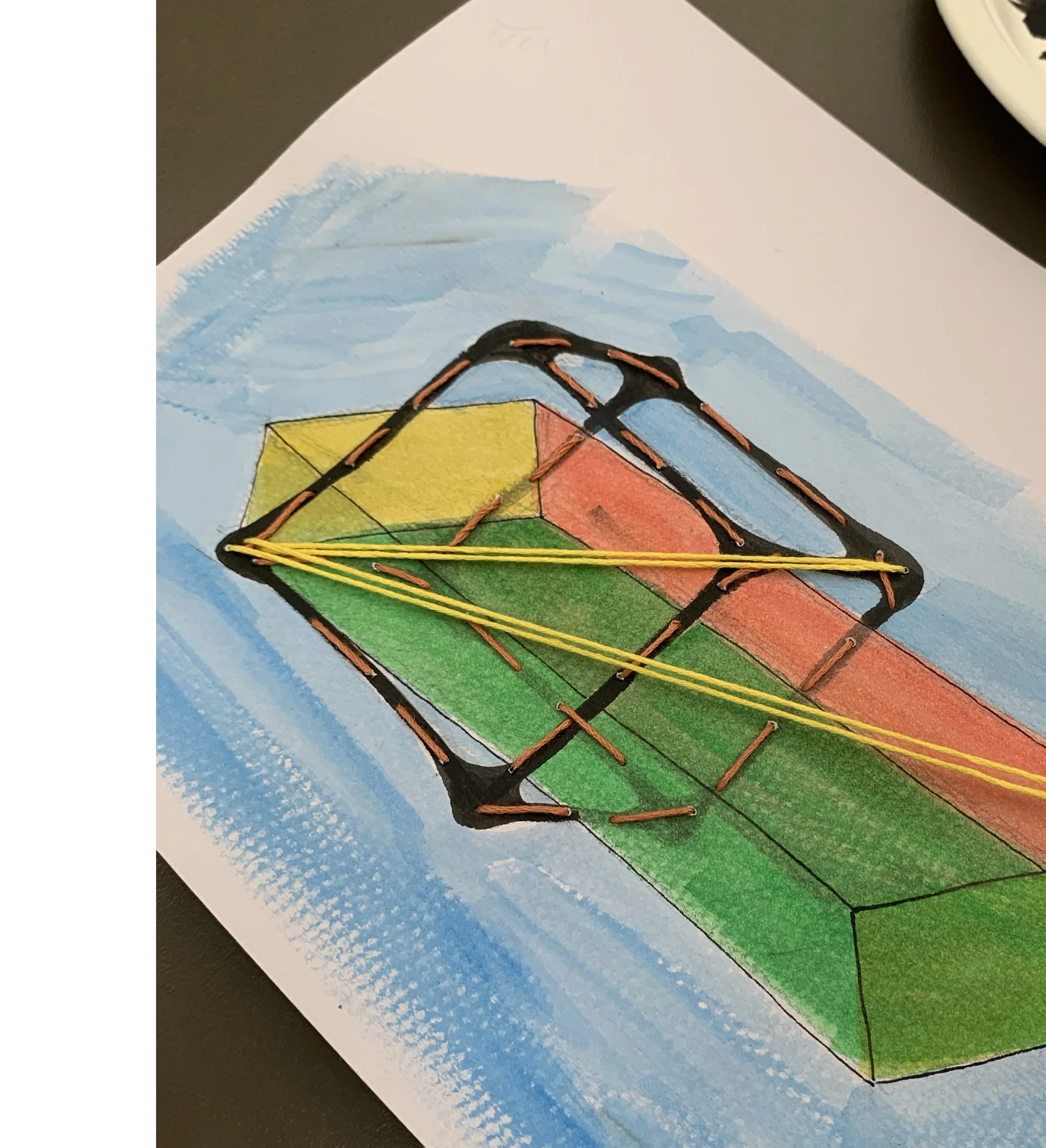
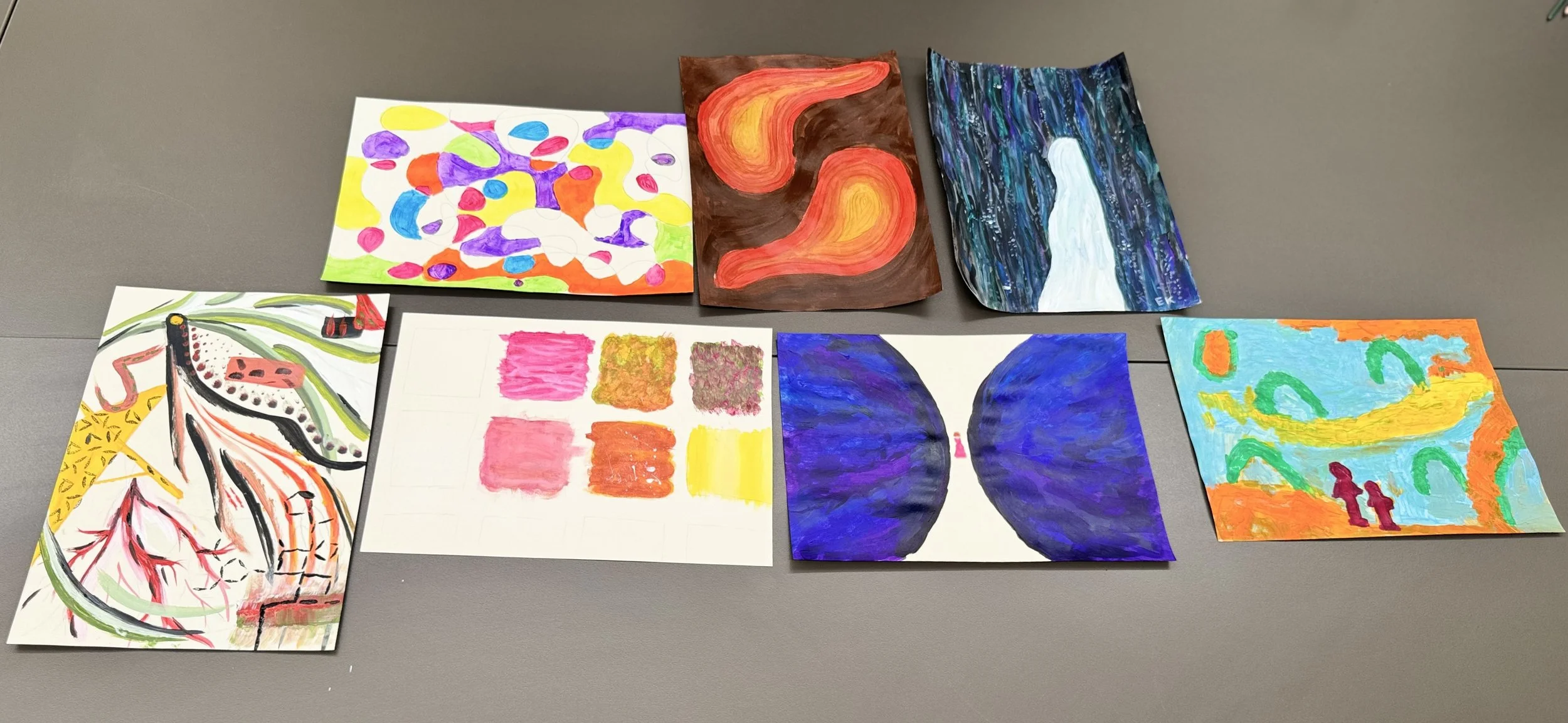
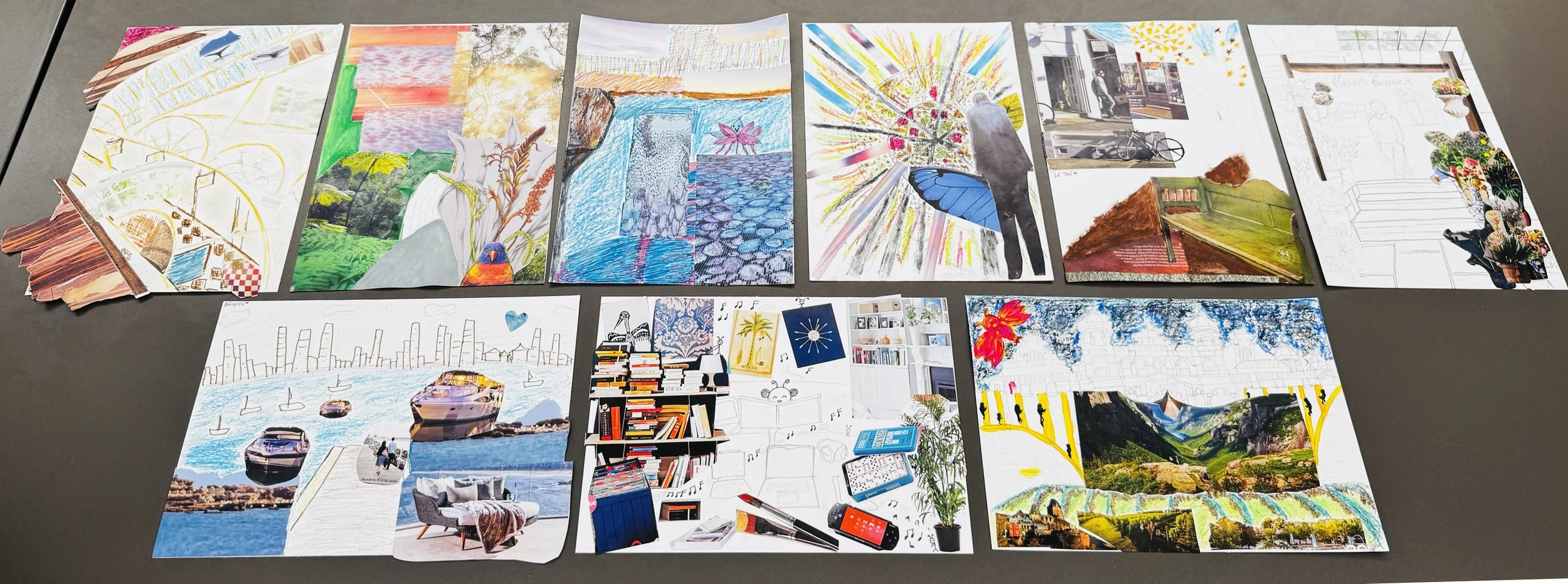
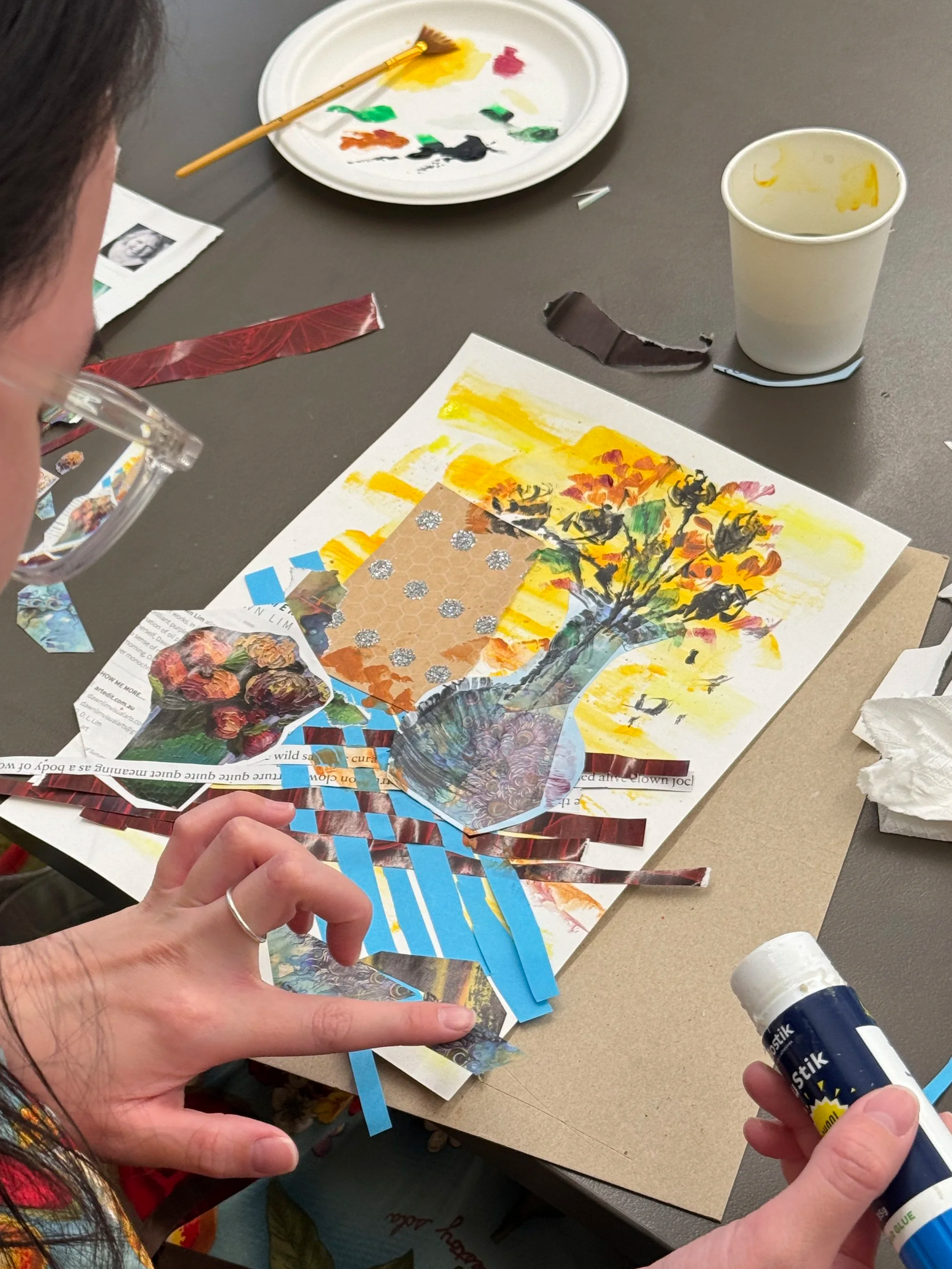
ArtsLAB was developed with the University of Melbourne Student Union to create opportunities for undergraduate students to make art together on campus. Supported through a student wellbeing grant, the project explored a simple proposition: community can take shape through the shared experience of making.
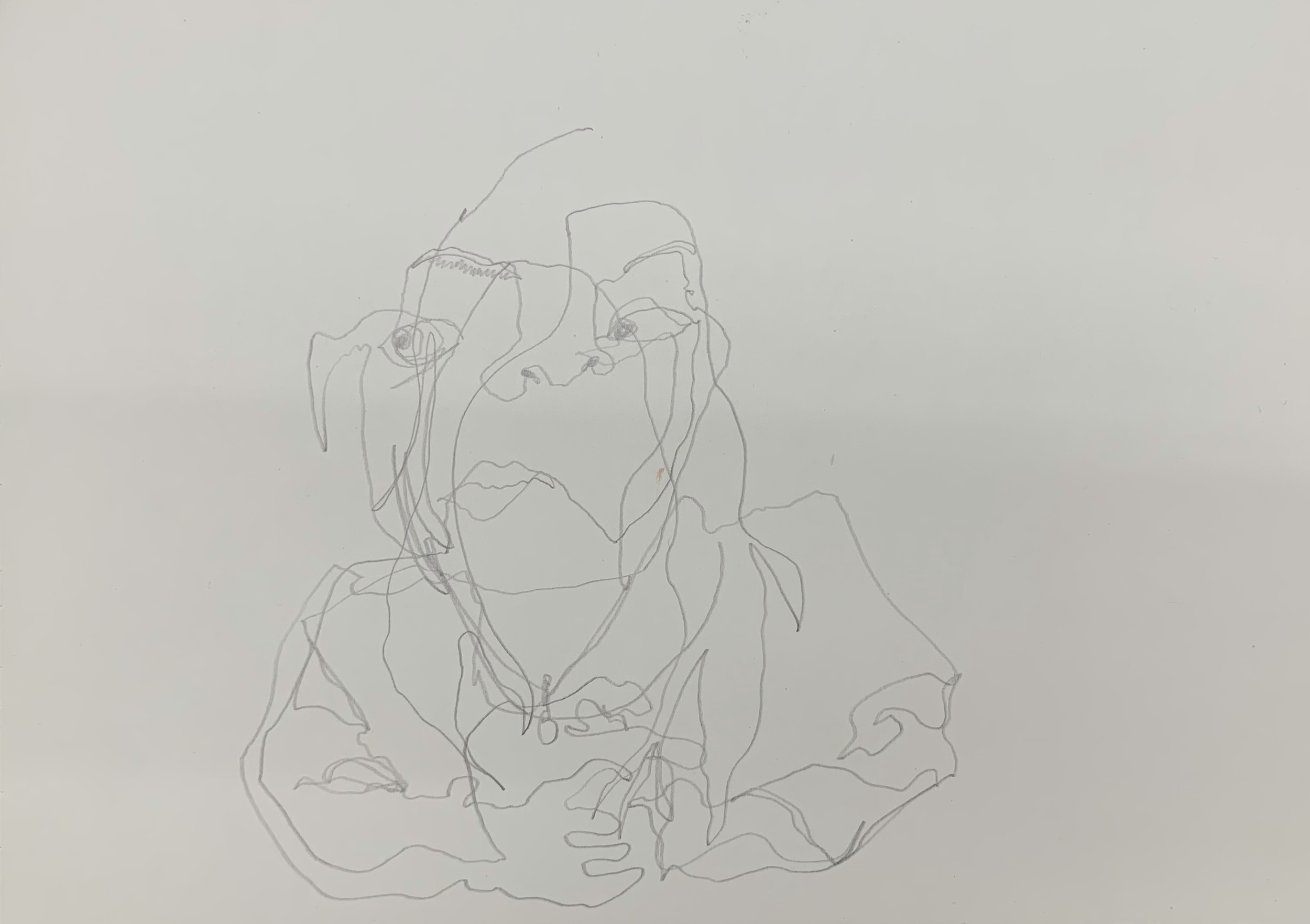
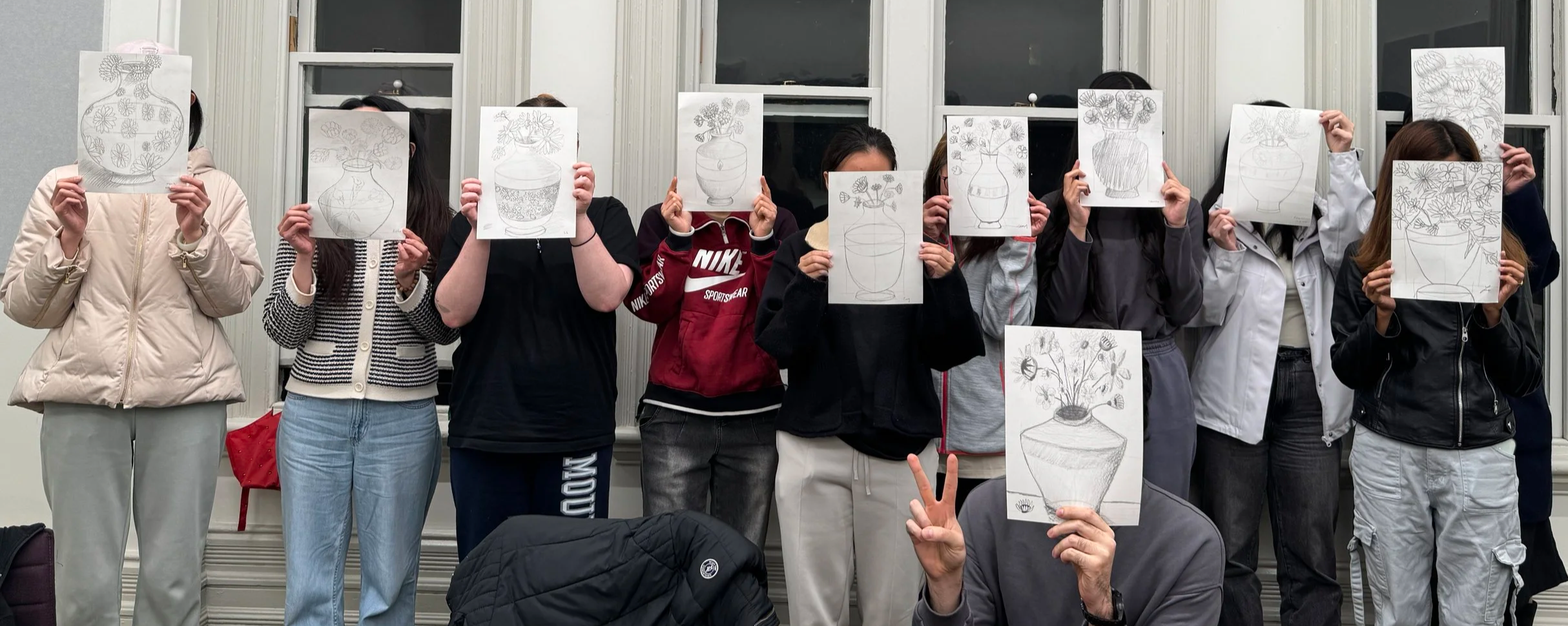
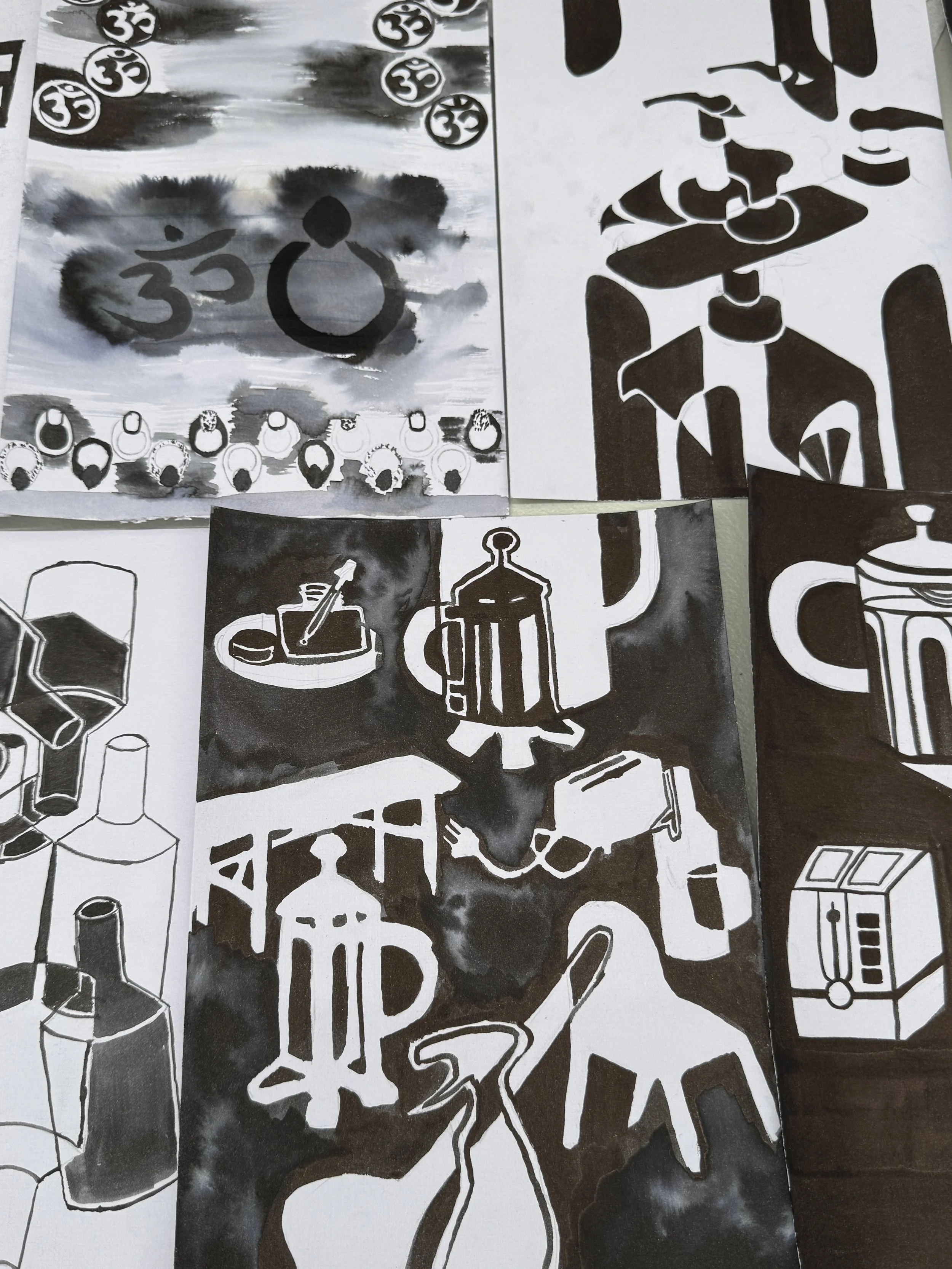
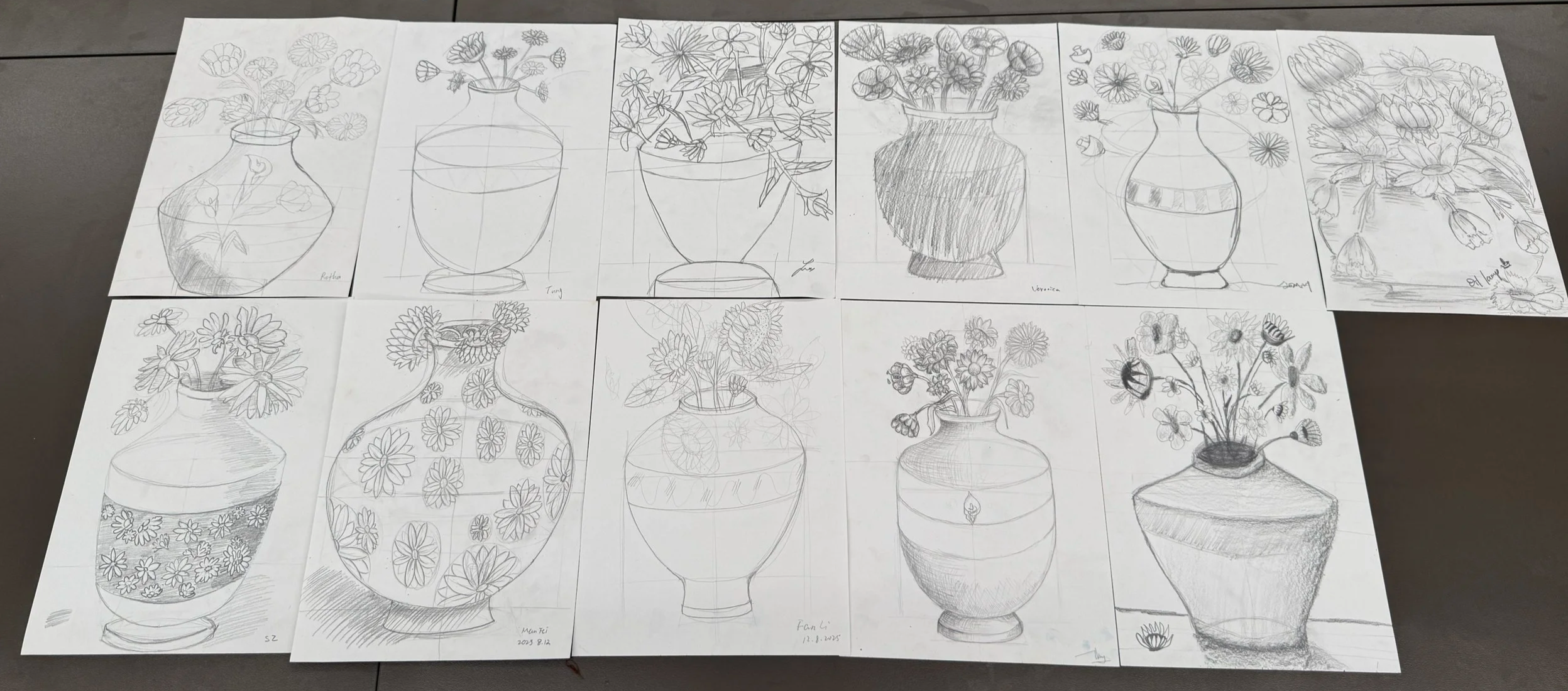
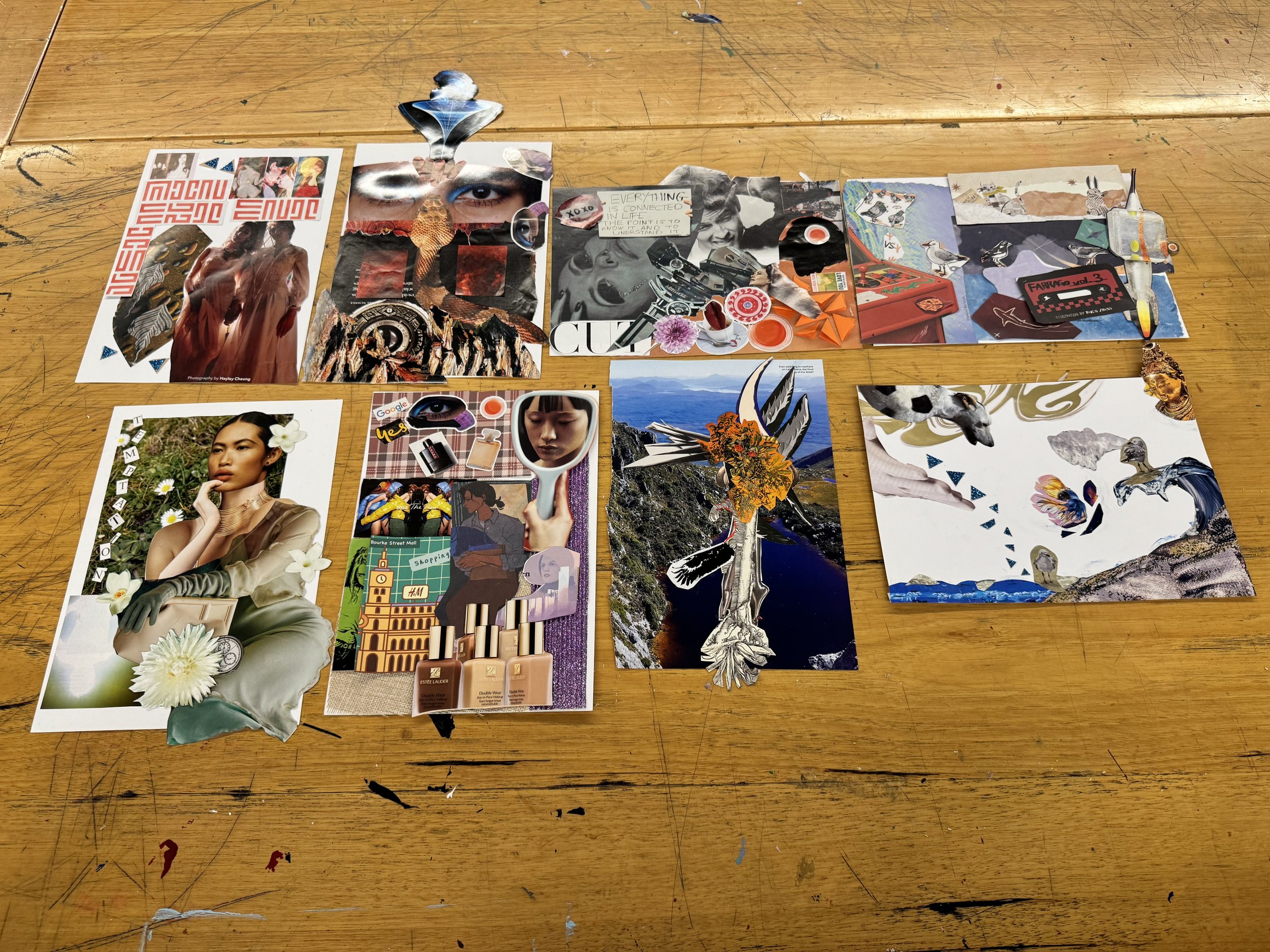
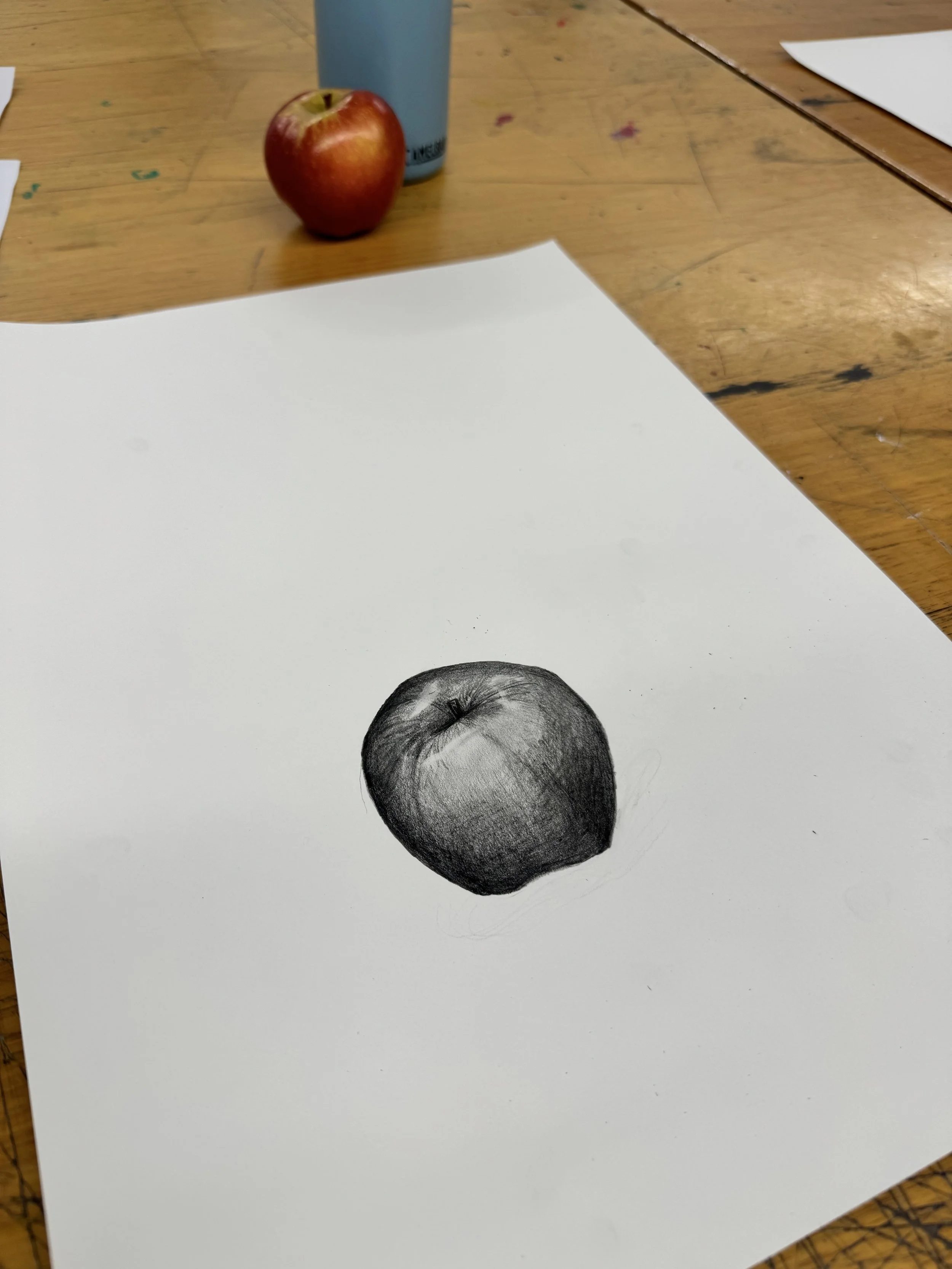
Workshops moved across still-life drawing, embodied drawing, acrylic painting, photomontage, collage and printmaking. Participants were introduced to materials, techniques and creative prompts without being directed towards a single visual outcome.
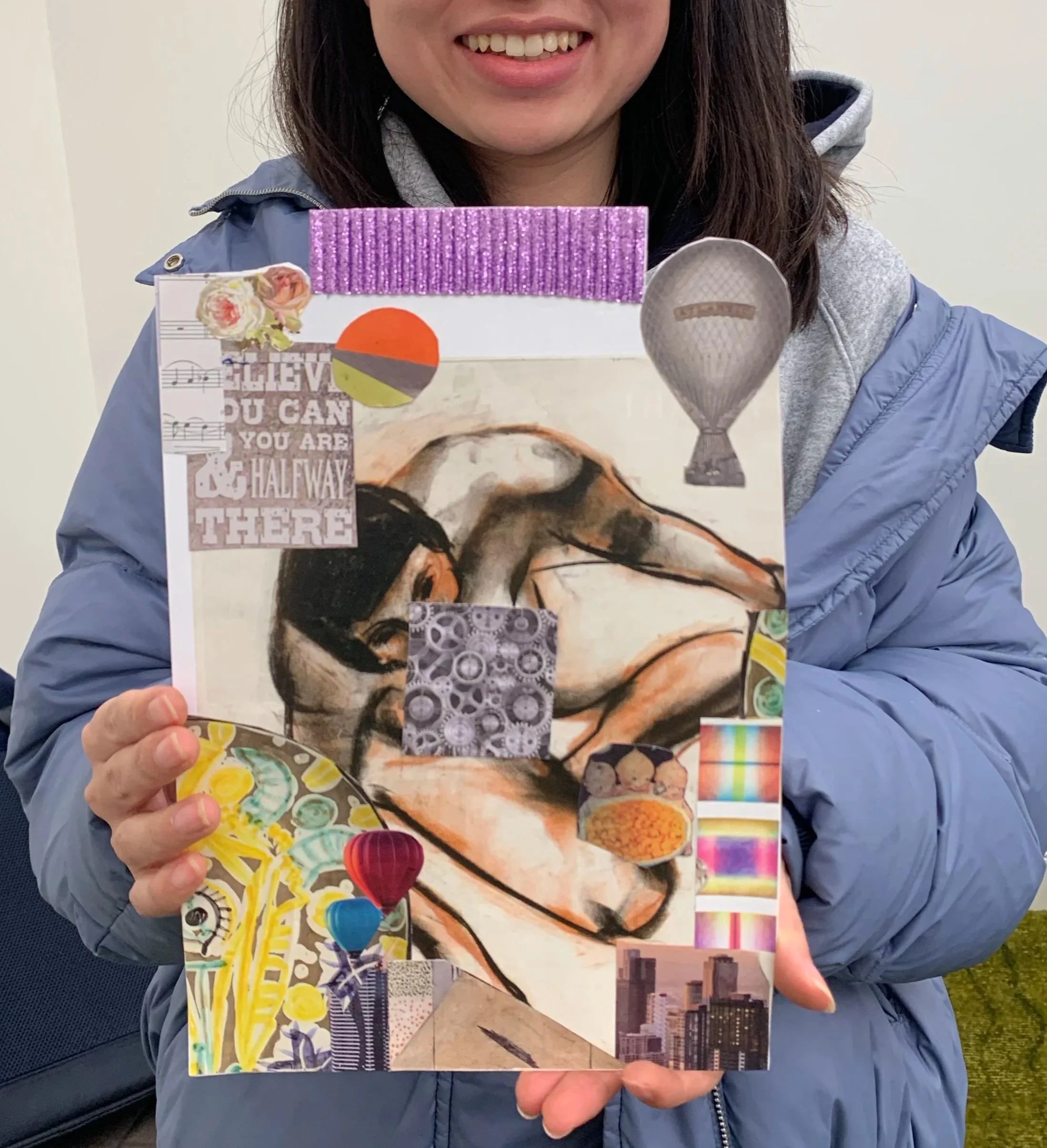
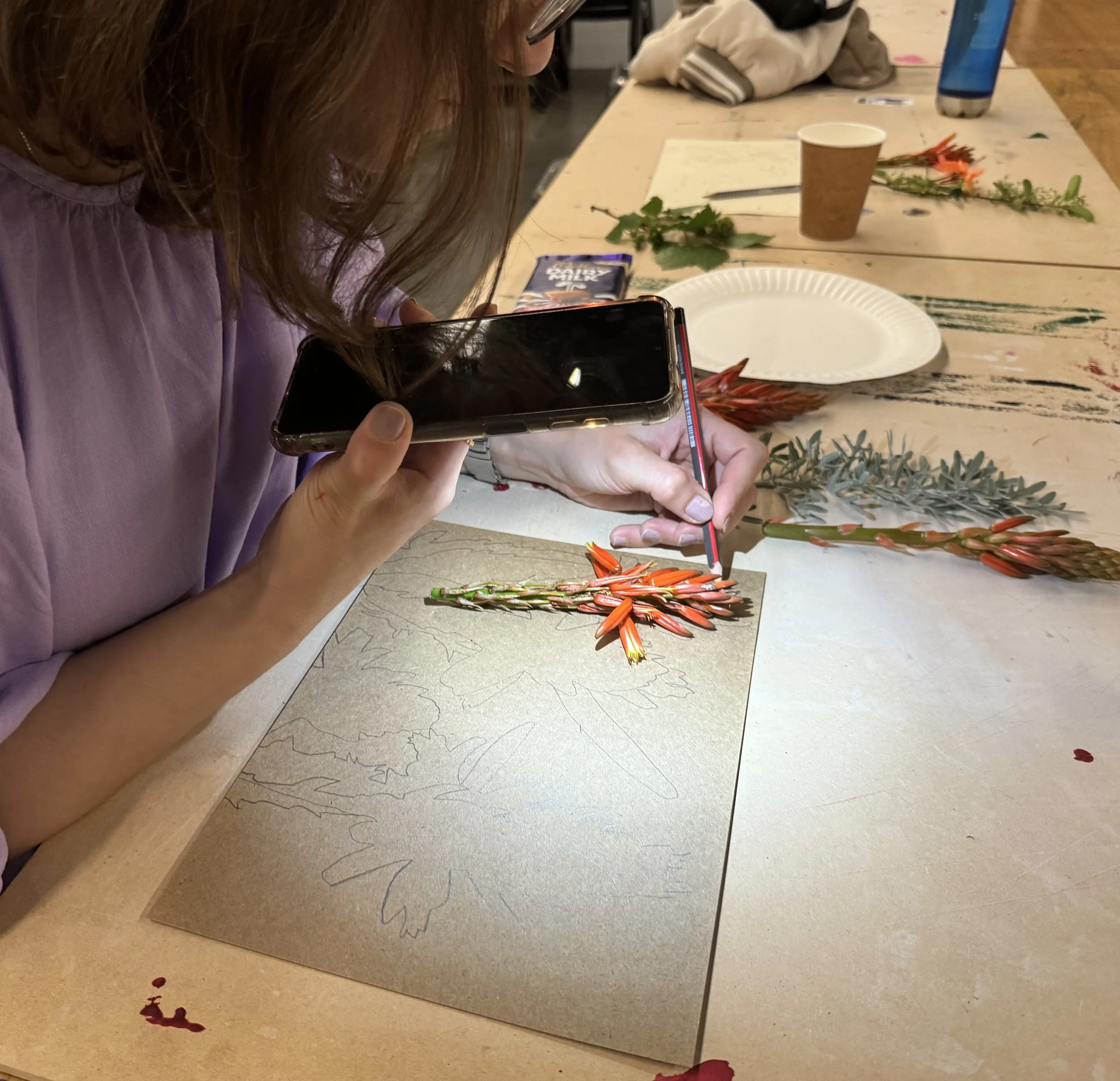
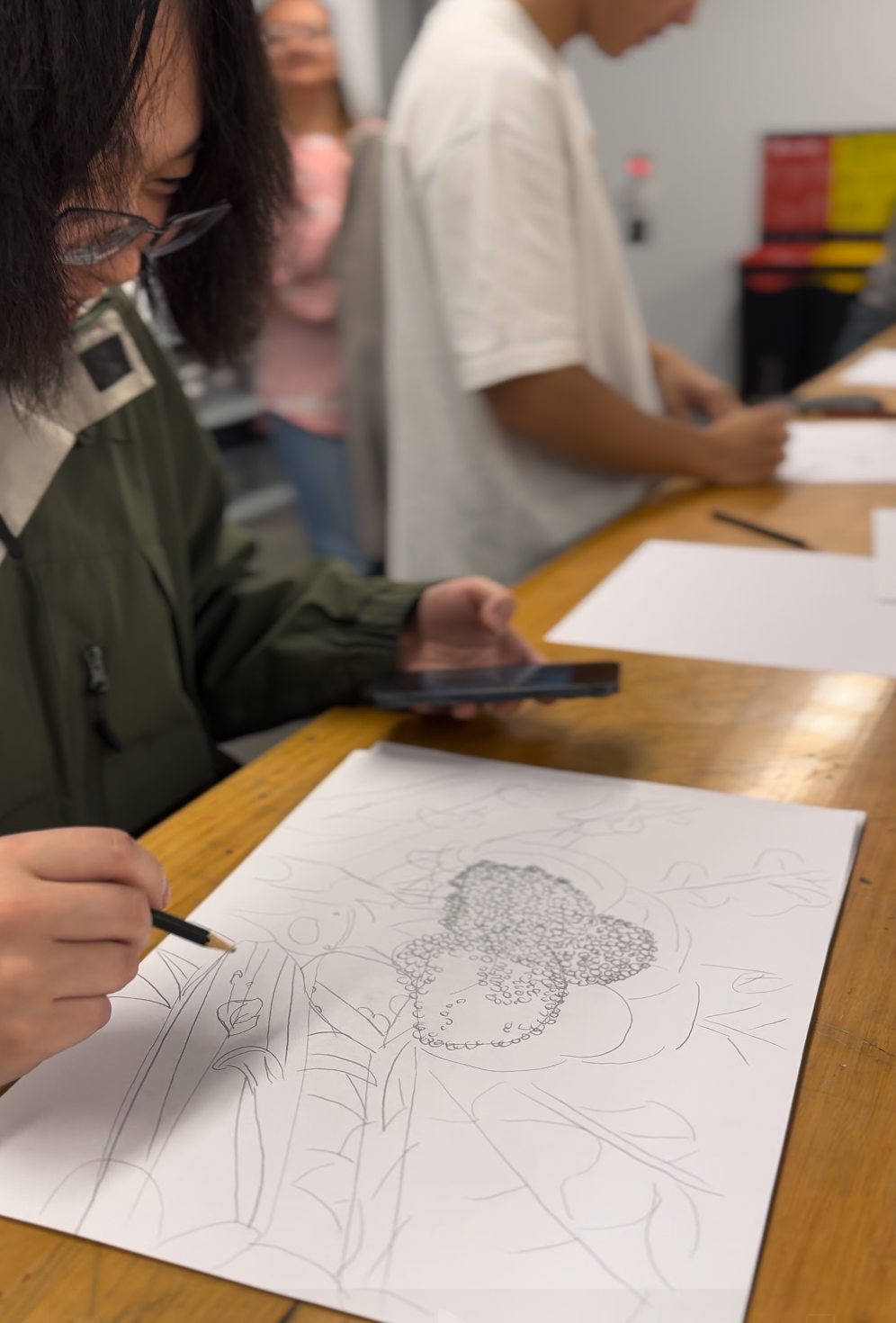
Each process invited a different form of attention. Drawing encouraged close observation. Embodied exercises brought gesture and movement into the work. Painting involved decisions about colour, risk and uncertainty. Collage brought fragments from different contexts into new relationships, while printmaking introduced repetition, reversal and chance.
Located beside the George Paton Gallery, the UMSU Arts Lab became a living studio in which artistic process remained visible. Materials circulated, ideas travelled between participants and artworks developed through proximity and exchange. I began thinking of the participants playfully as hue-mains: people through whom colour, materials, gestures and knowledge moved across the space.
The project did not assume that artmaking would produce a particular therapeutic outcome. Instead, it created conditions for connection, care, experimentation and shared attention within university life.
Building community through artmaking
Arts Lab University of Melbourne | Undergraduate students
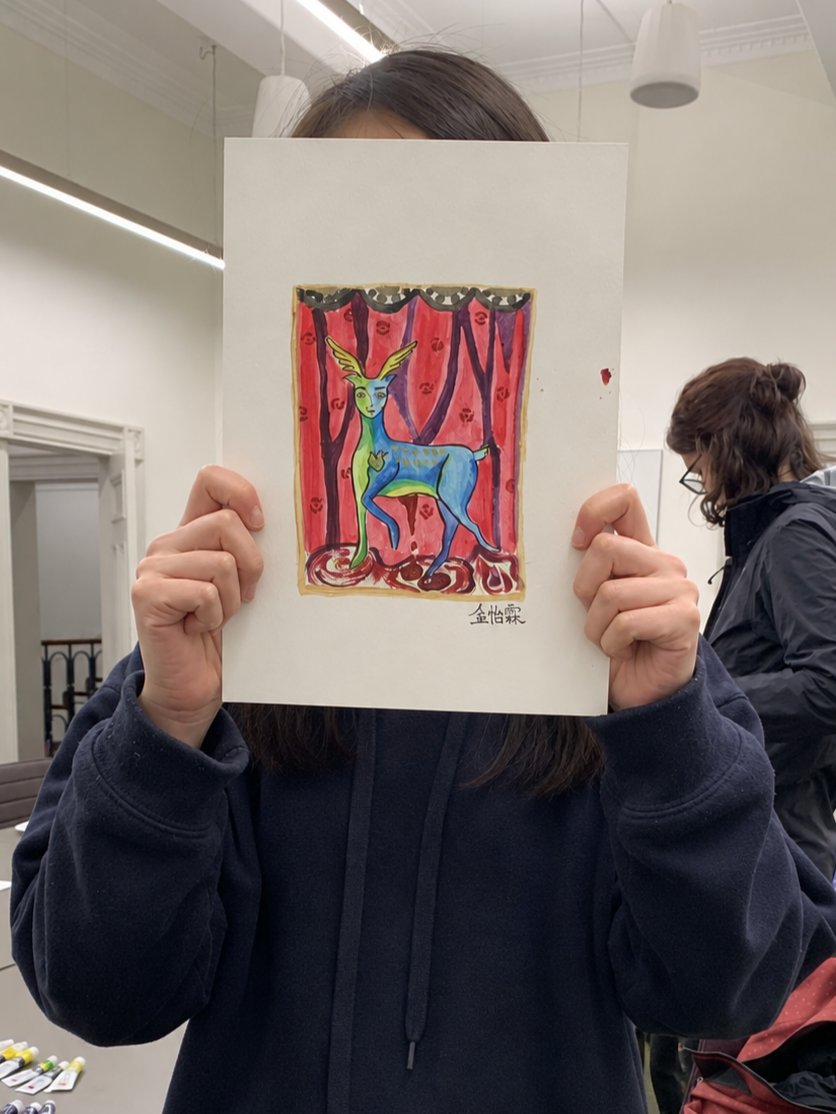
Drawing, painting, collage and printmaking unfold within ArtsLAB as a shared and continually changing studio practice.
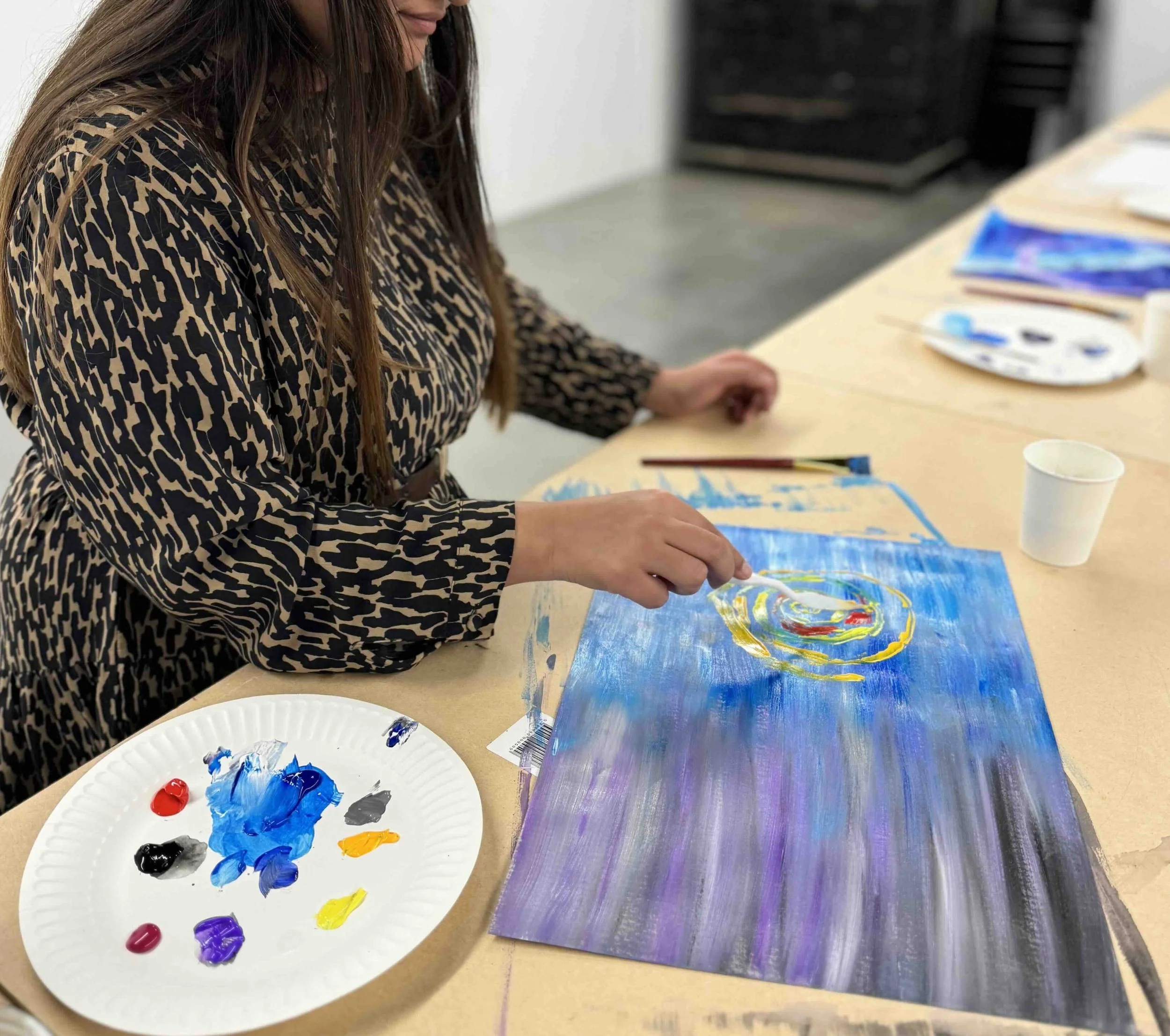
Creative Flow – Leadership through watercolour
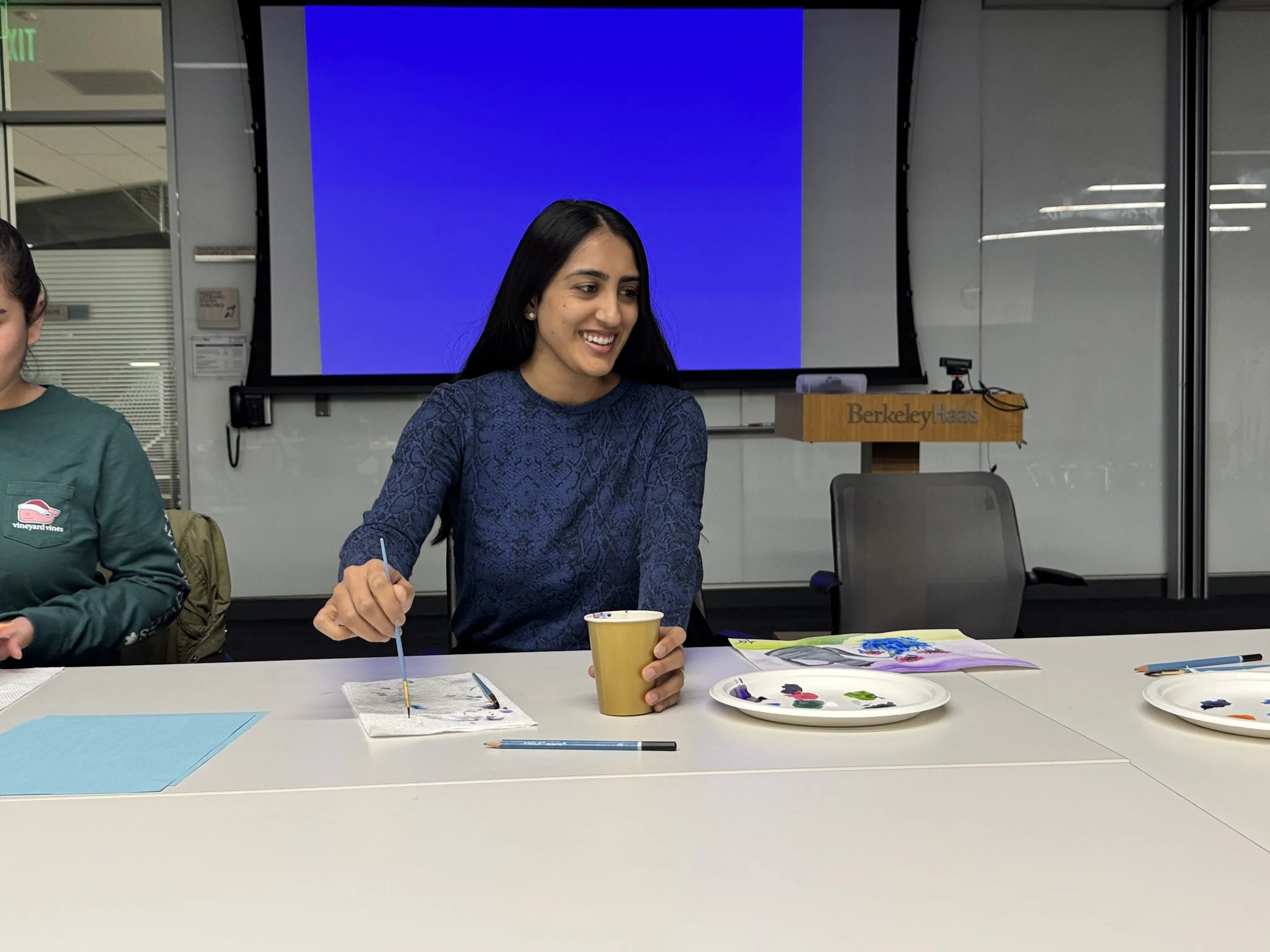
Haas School of Business, University of California, Berkeley | Graduate business students
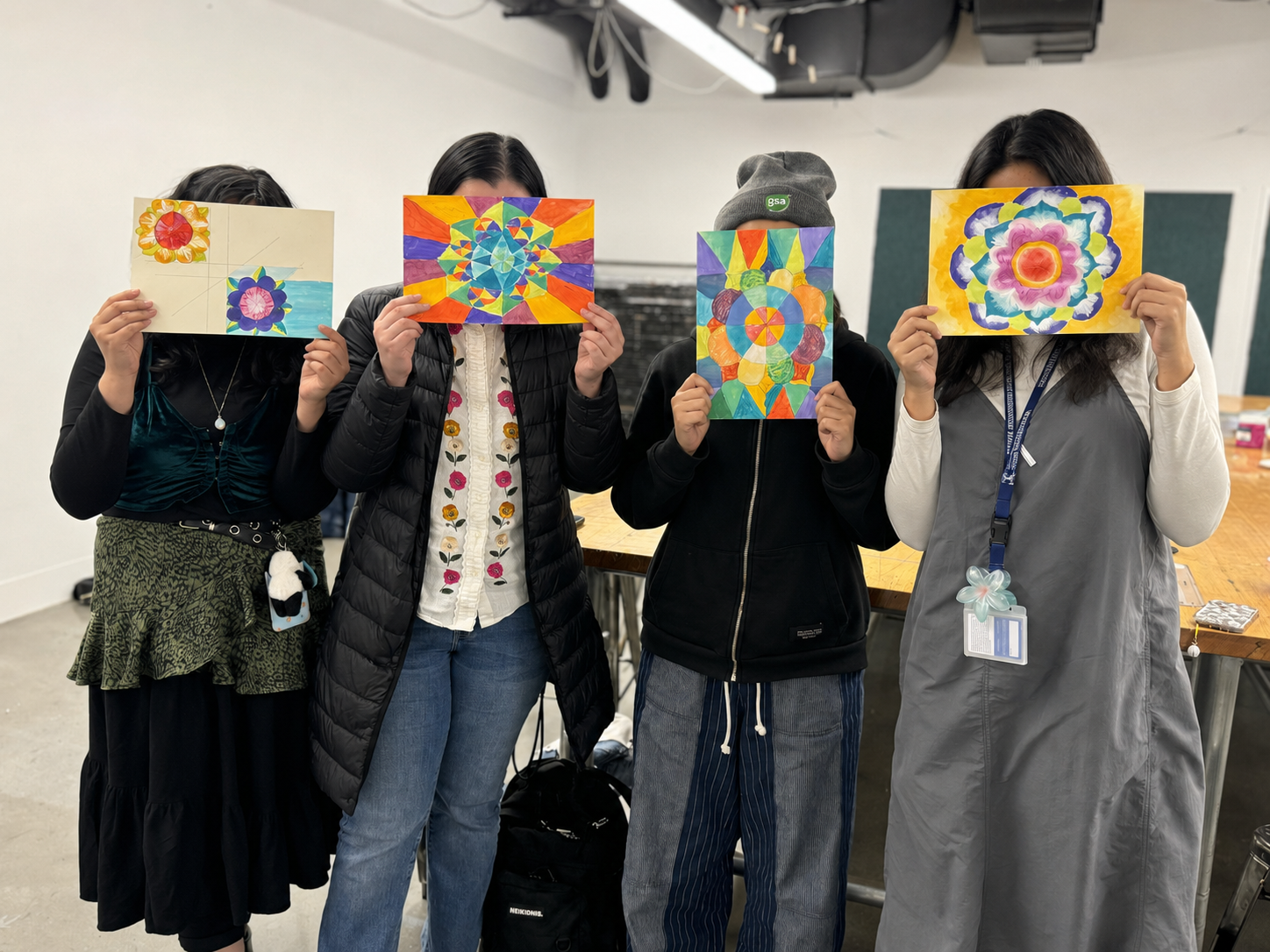
Creative Flow was a participatory watercolour workshop developed for graduate business students at UC Berkeley, using watercolour painting to explore leadership, decision-making, uncertainty and risk-taking.
Rather than approaching these ideas as abstract leadership concepts, the workshop placed participants in situations where they could encounter them through artmaking. Watercolour became particularly important because it cannot be completely controlled. Water moves, pigment spreads, colours merge and decisions leave visible traces. Participants had to choose how to respond to what was happening on the page, deciding when to intervene, when to adapt and when to allow an unexpected outcome to remain.
Through guided exercises, participants experimented with different levels of control and constraint. Mistakes could not always be erased or reversed. Instead, they became part of the developing image, requiring participants to reconsider their intentions and decide how to proceed.
The workshop used this tension between intention and uncertainty to explore leadership. What happens when a decision produces an unexpected result? When is it useful to maintain control, and when might responsiveness be more valuable? How do we act when an outcome cannot be fully predicted?
Through watercolour, these decisions and actions were transformed into something participants could experience and notice through their hands, emotions and thoughts, rather than discuss only in theory.
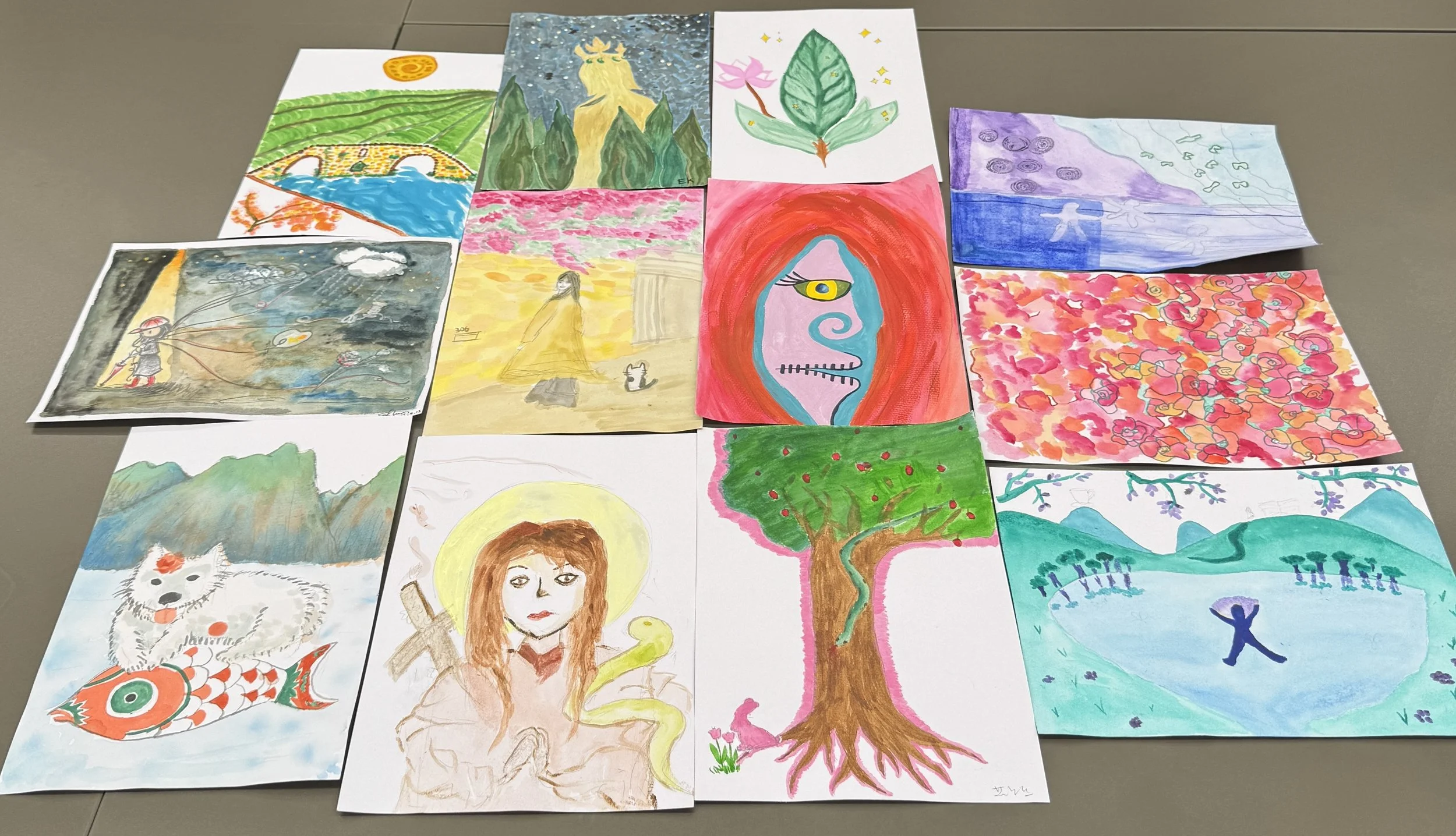
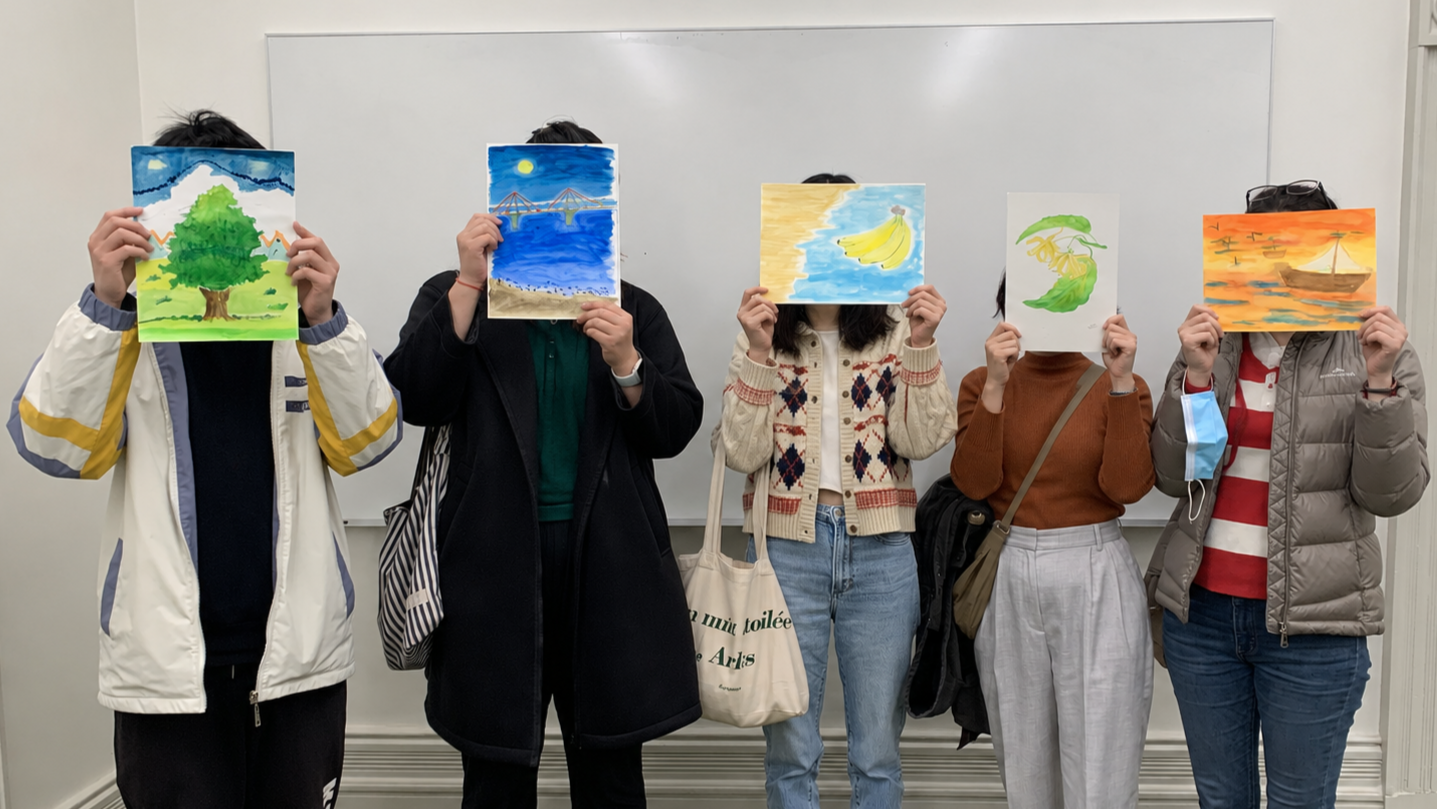
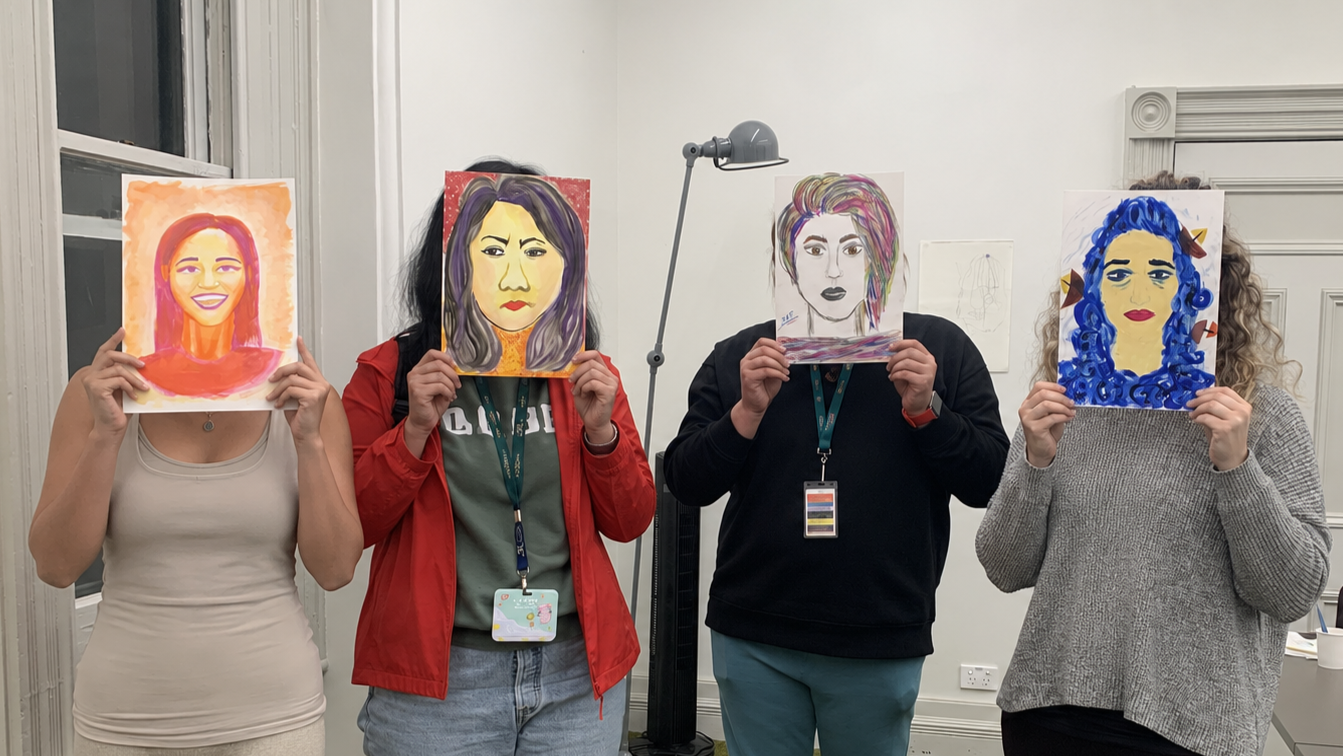
Participants then developed an individual artwork responding to sustainability, bringing together the material and decision-making processes explored during the workshop. They presented their finished work to the group, explaining the ideas, choices and interpretations that informed it.
This introduced another dimension of leadership: communicating an idea publicly while standing beside something personally made.
We playfully explored the idea of developing a “poker face” in business. Artmaking can expose uncertainty. A mark may not behave as intended, an image may develop differently from the original plan, and presenting creative work can make that uncertainty visible. Participants were challenged to stand behind their decisions, communicate their ideas with confidence and respond to questions without needing the artwork to be perfect.
The sustainability project also demonstrated how differently people can respond to the same brief. Rather than searching for one correct solution, participants translated a shared problem through different visual languages, experiences and perspectives. The resulting artworks became starting points for conversation, interpretation and exchange.
Creative Flow demonstrates how visual art can create an experiential space for learning beyond disciplinary boundaries. The finished paintings mattered, but so did the decisions, risks, adaptations and conversations that produced them. Through making and presenting, questions of leadership, uncertainty and communication became material, visible and embodied.